Every shape and color you'll see on the Montana permit test, with what each one means in plain English.
Montana uses standard United States road signs. Shapes and colors tell you what to do at a glance. A red octagon means stop. A yellow diamond is a warning. Green panels guide you. Montana also has wildlife crossing signs. Learn each shape and color group.
Sign shapes & what they mean
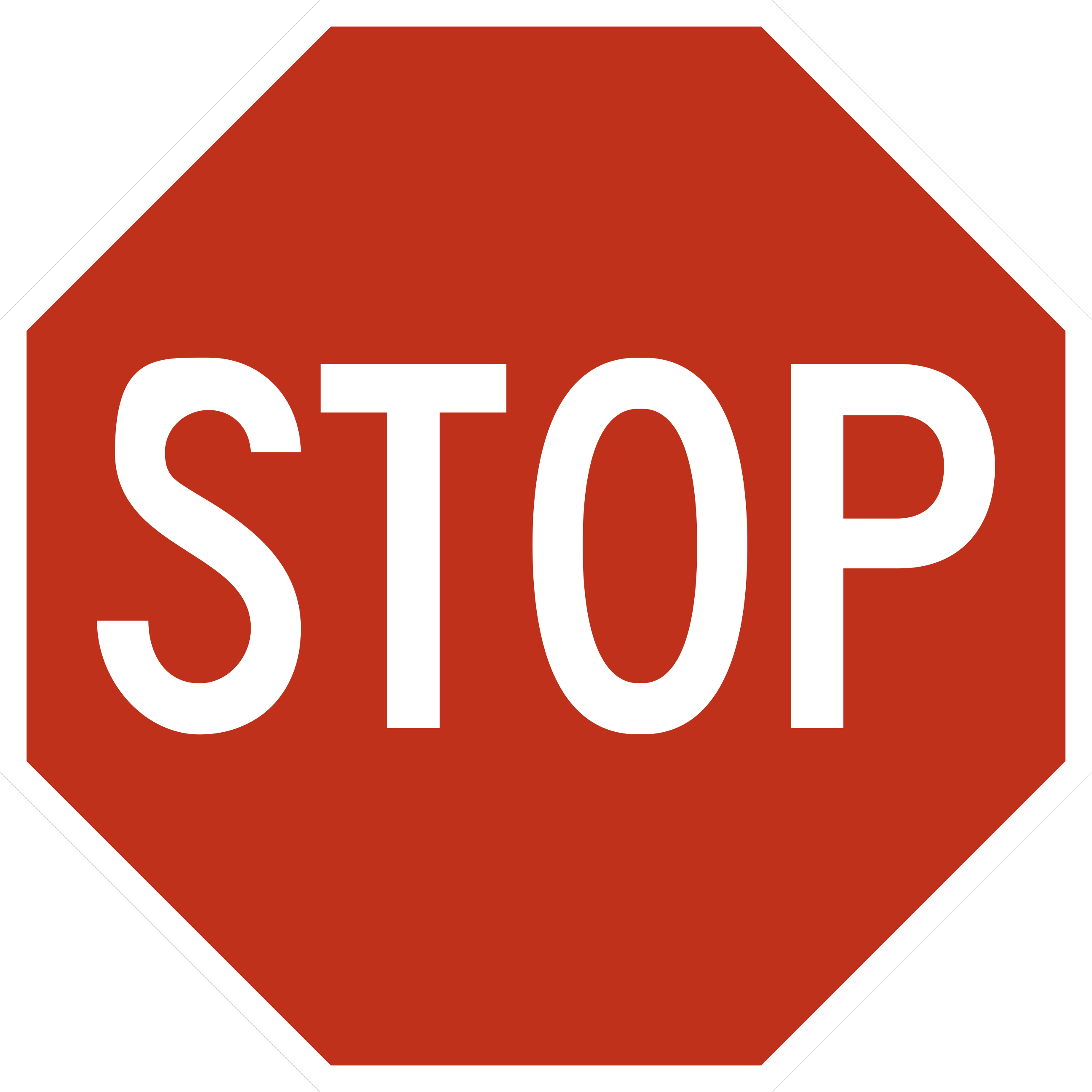
Stop — red octagon
Full stop. Eight sides means “stop” even if the word is hidden.
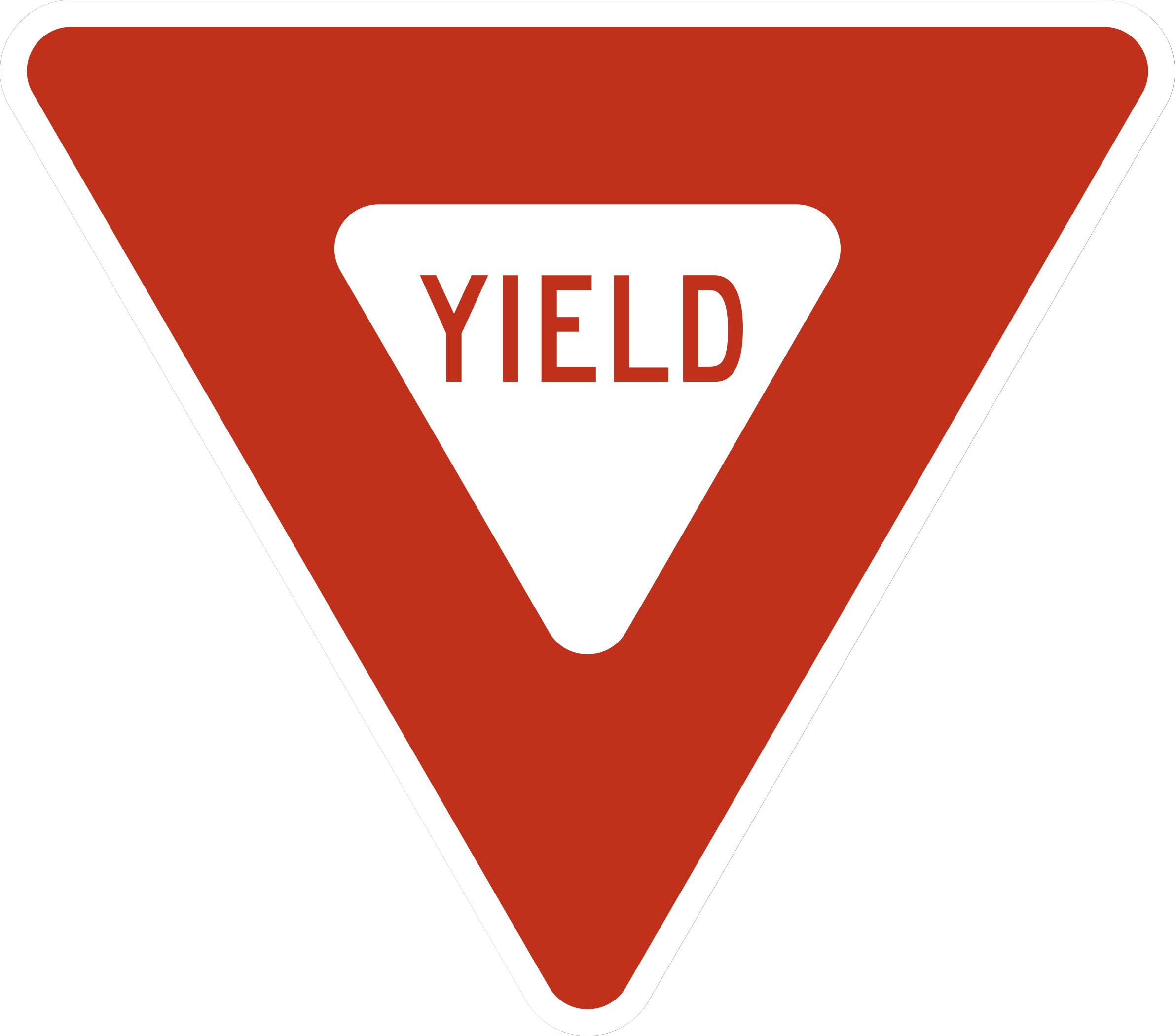
Yield — downward triangle
Slow down; let cross traffic or pedestrians go first.
Warning — yellow diamond
Hazard ahead: curve, school zone, deer, slippery road.
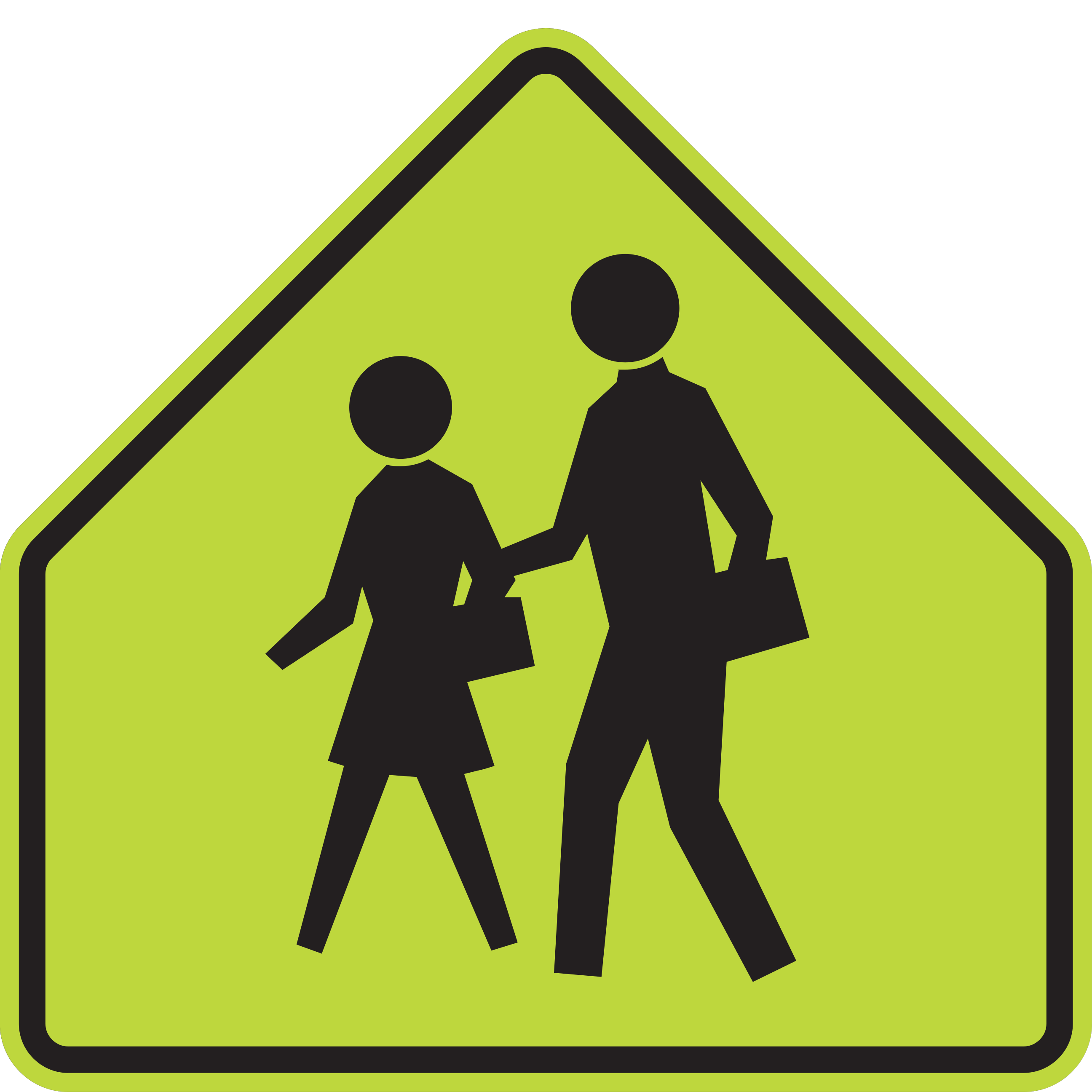
School zone — pentagon
5-sided fluorescent yellow-green for school zones and crossings.
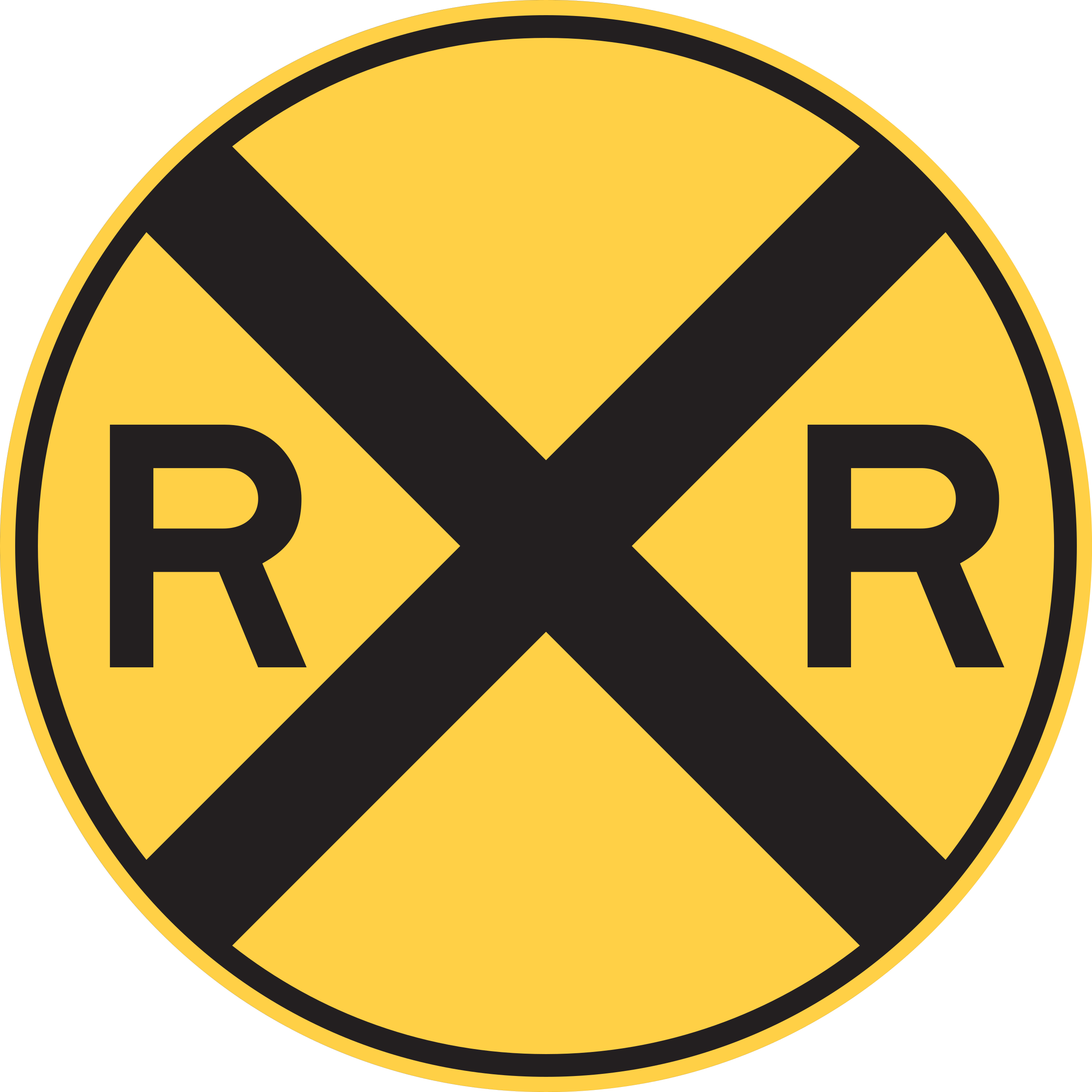
Railroad — round
Train tracks ahead. Look both ways; expect stopped traffic.
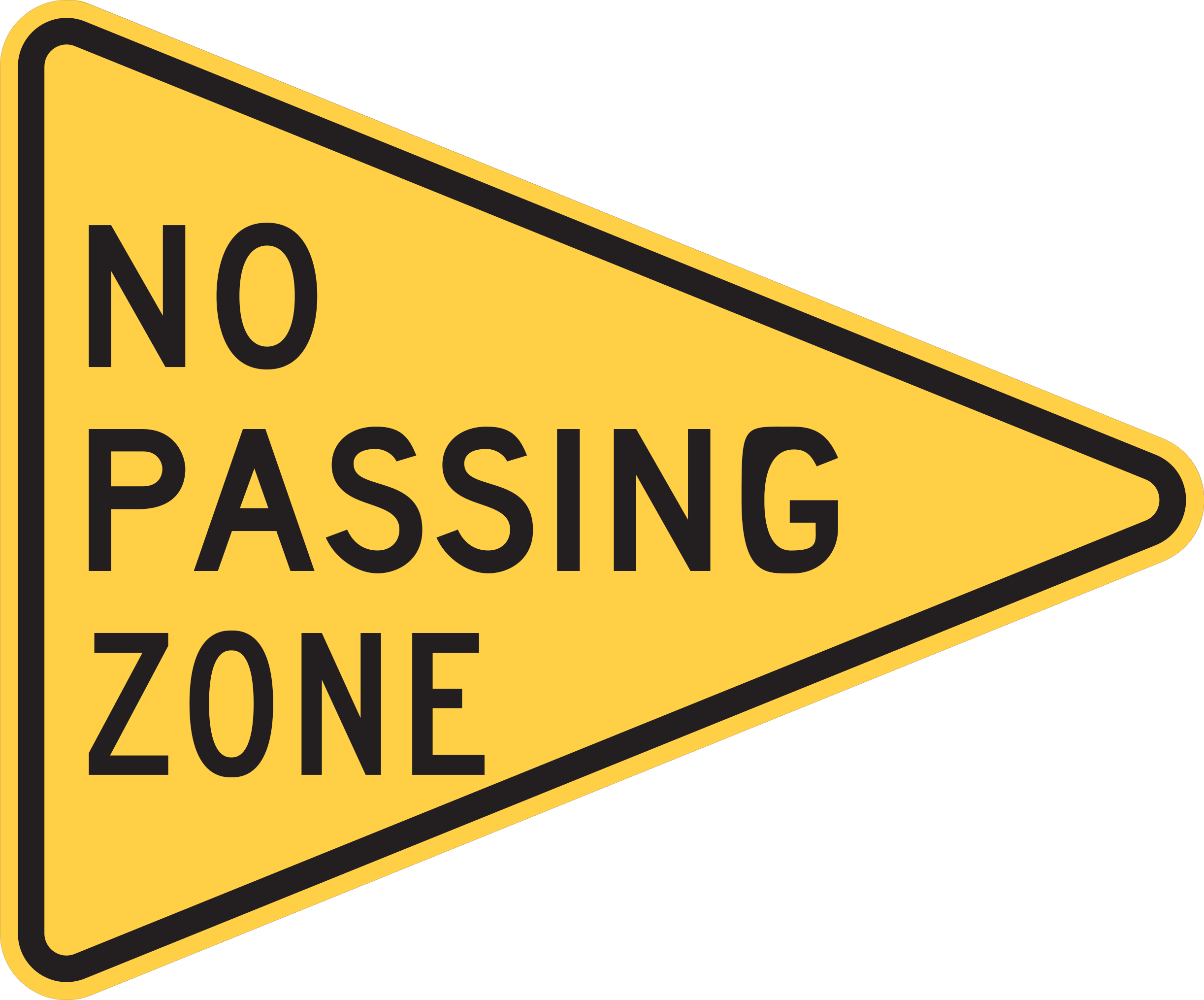
No passing — pennant
Sideways triangle on the left of the road. No-passing zone begins.
Regulatory — white rectangle
Speed limit, no parking, lane use, do-not-enter rules.
Guide — green rectangle
Directions, distances, exits, mile markers.
Construction — orange
Work zone or maintenance ahead. Expect lane shifts and reduced speeds.
Parks, scenic routes, historic sites, public recreation.
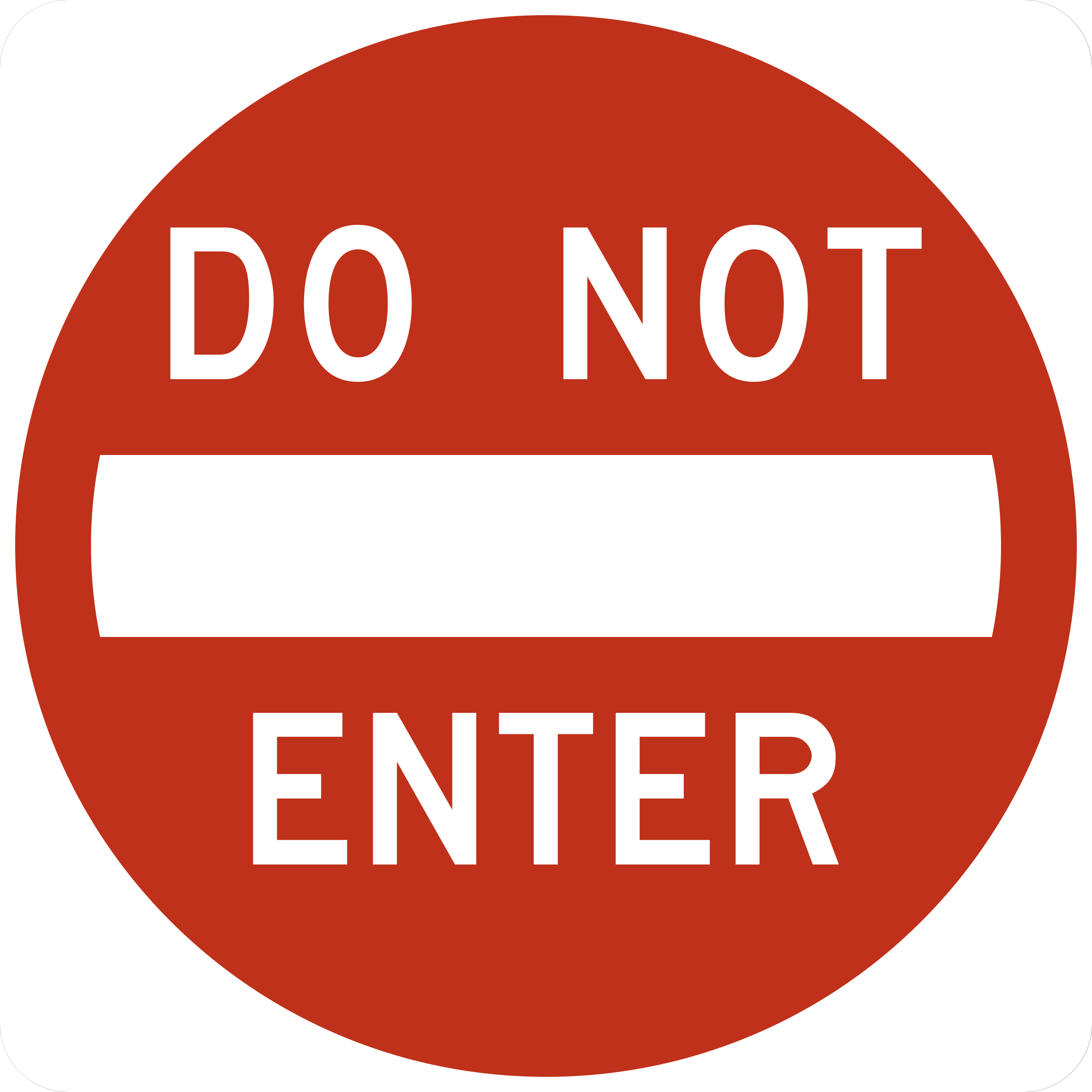
Do not enter — red round
Wrong way. Stop, do not enter. Turn around safely.
Regulatory signs you'll see on the test
These tell you what you must or must not do. White or black background, red for prohibitions.
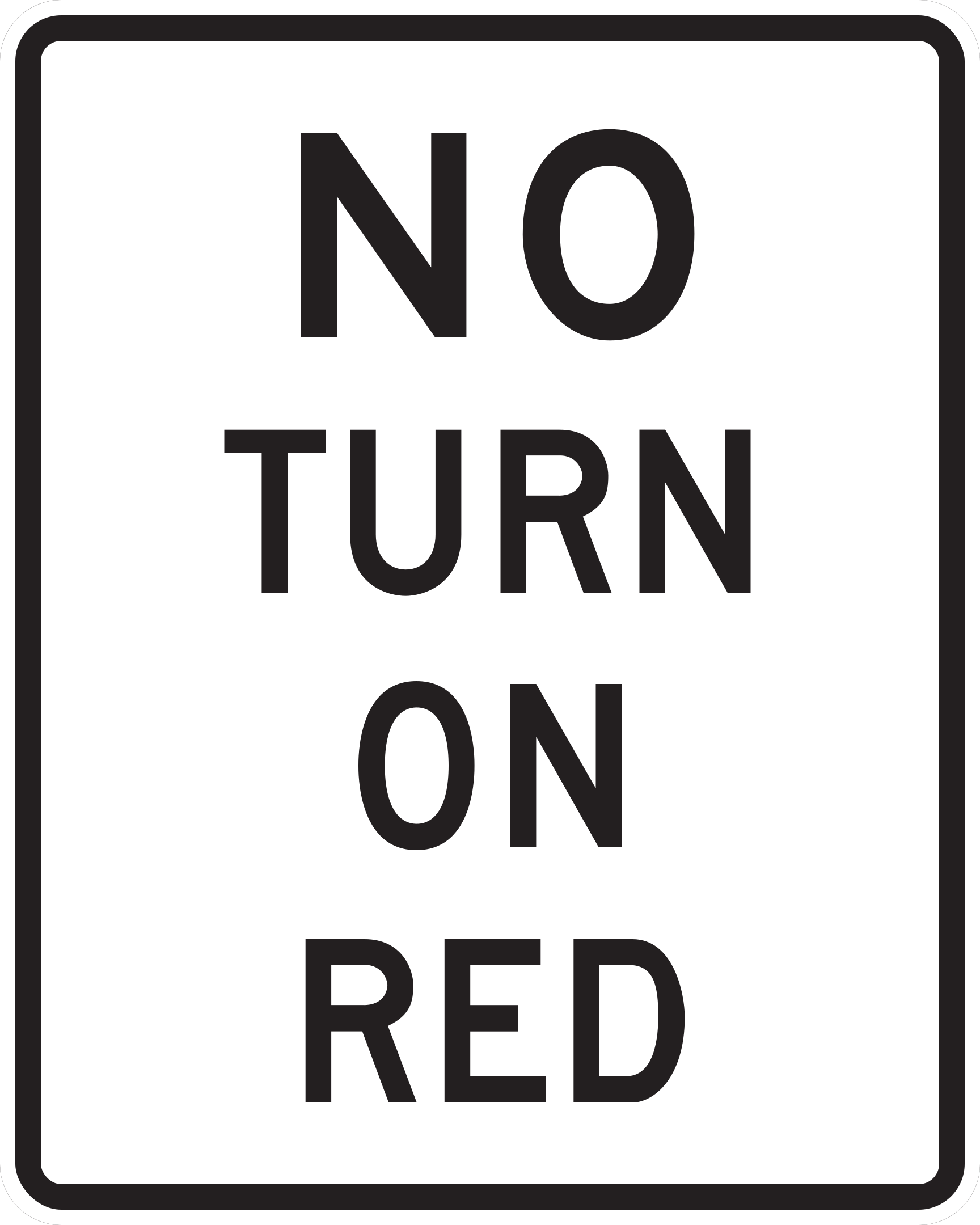
No Turn on Red
You may not turn right (or left onto a one-way street) against a red light at this intersection.
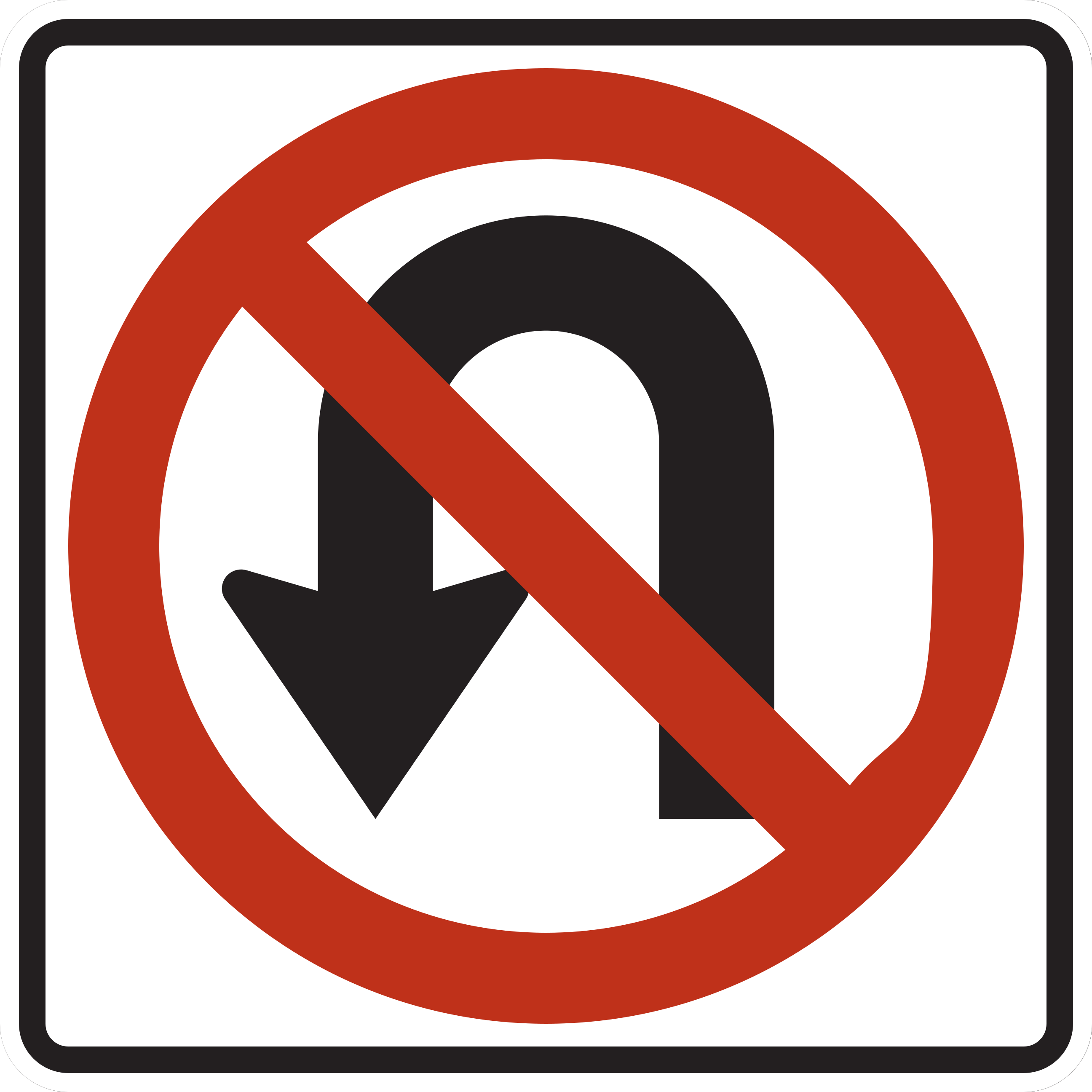
No U-Turn
Turning around to head back the opposite direction is prohibited at this location.
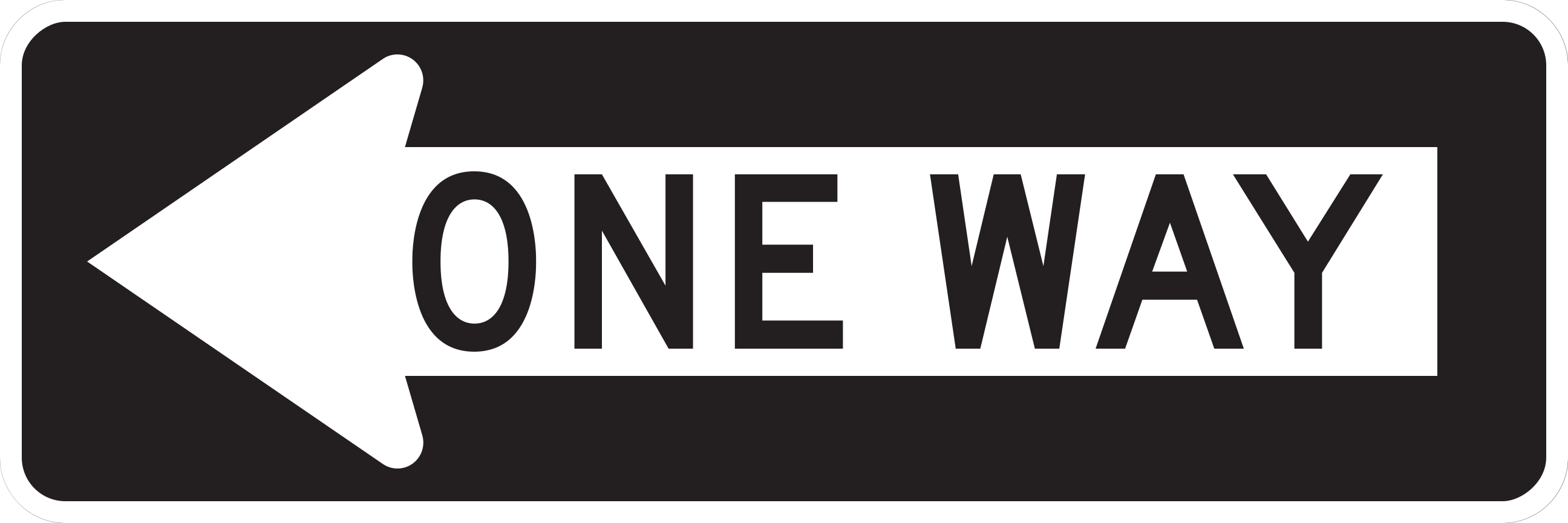
One Way
Traffic on this street moves in a single direction only — the direction the arrow points.
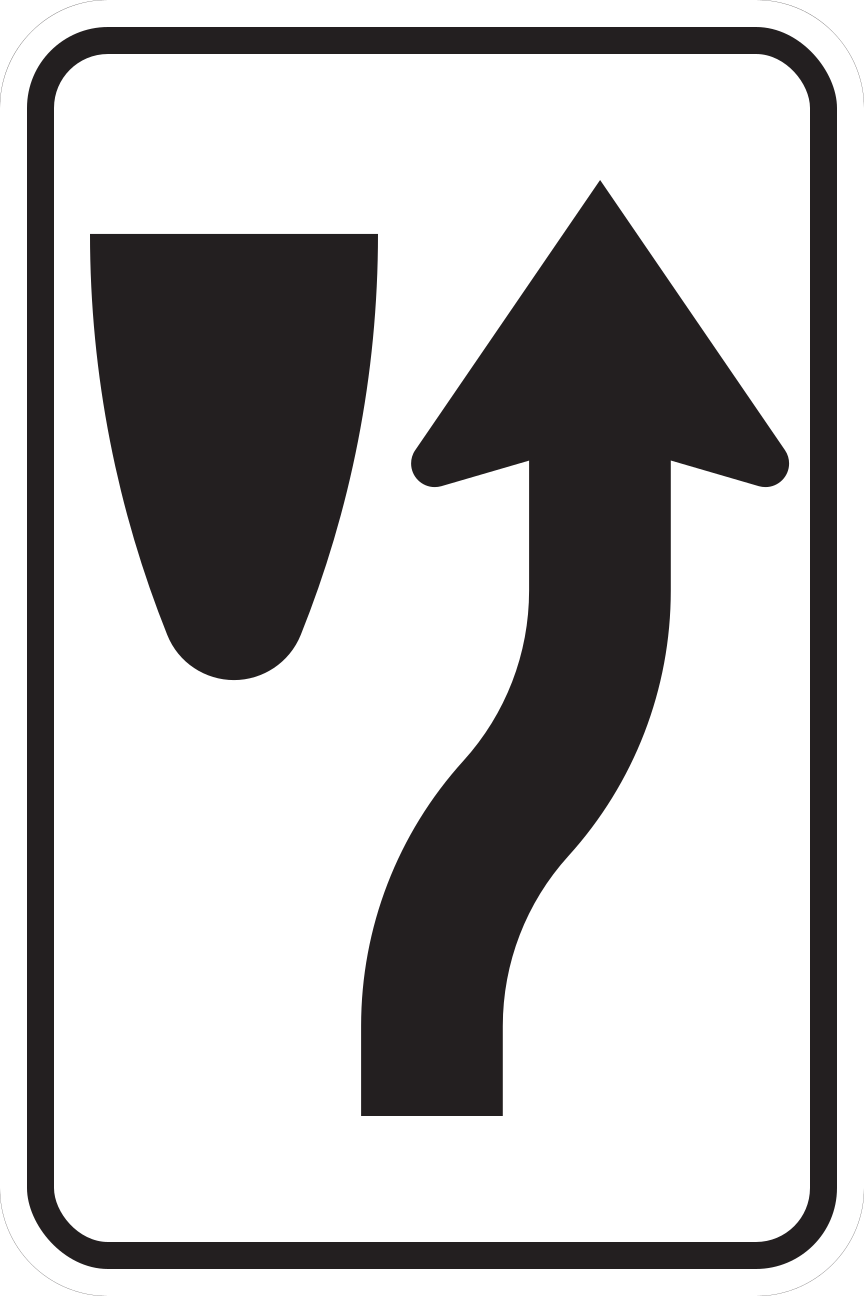
Keep Right
Stay right of a traffic island, median, or obstruction — the arrow shows which way to go around it.
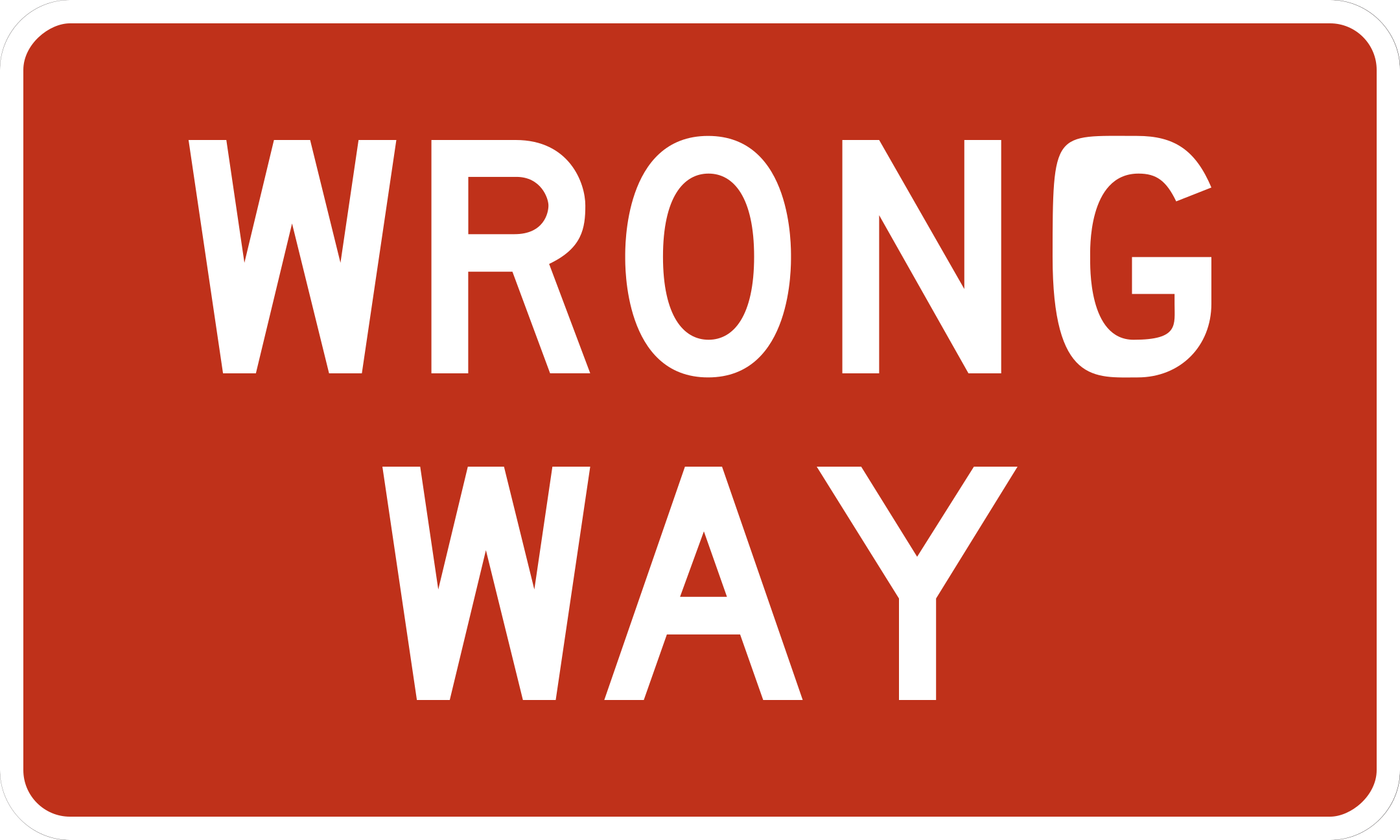
Wrong Way
You're heading against traffic on a one-way road or exit ramp — stop and reverse direction safely.
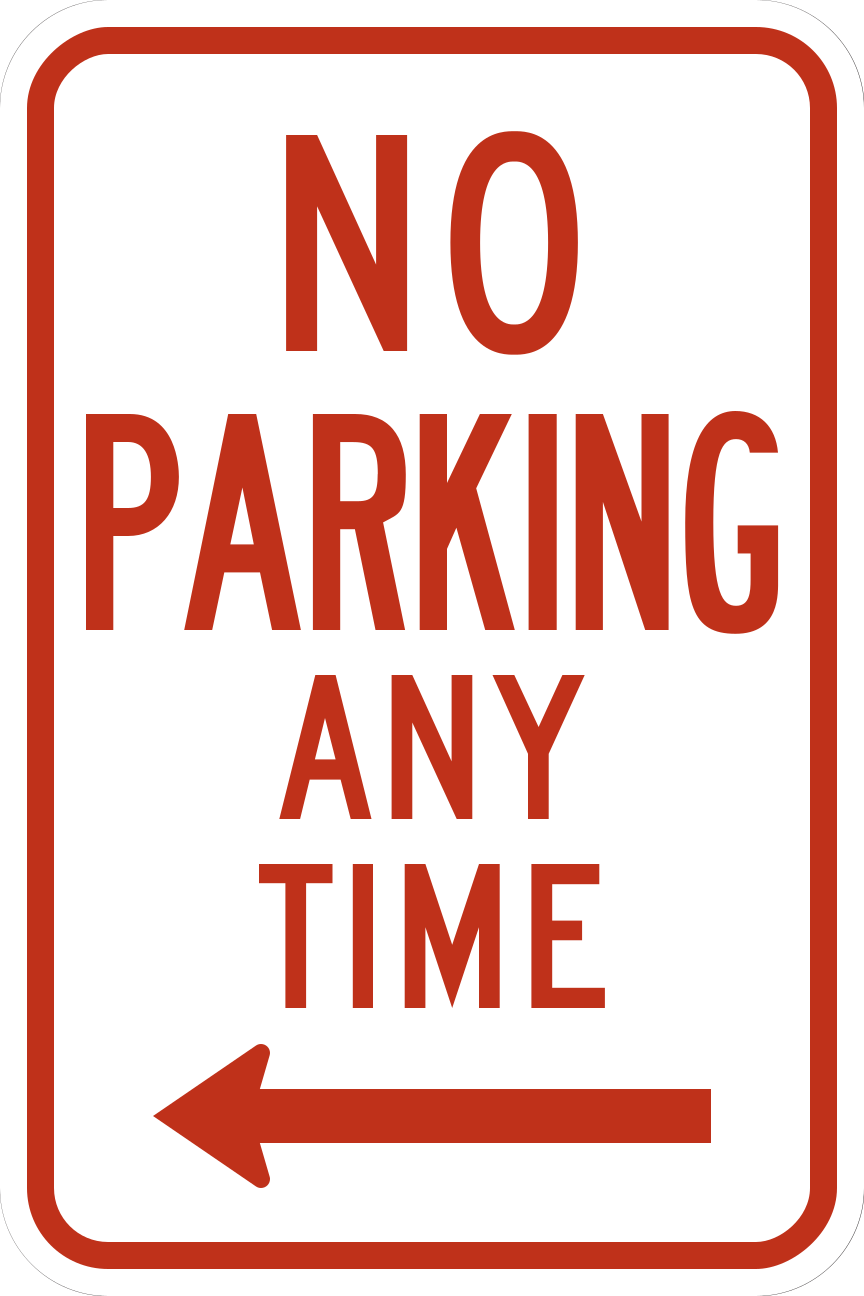
No Parking
Parking is prohibited here — a red slash through a "P," or the words "NO PARKING" spelled out.
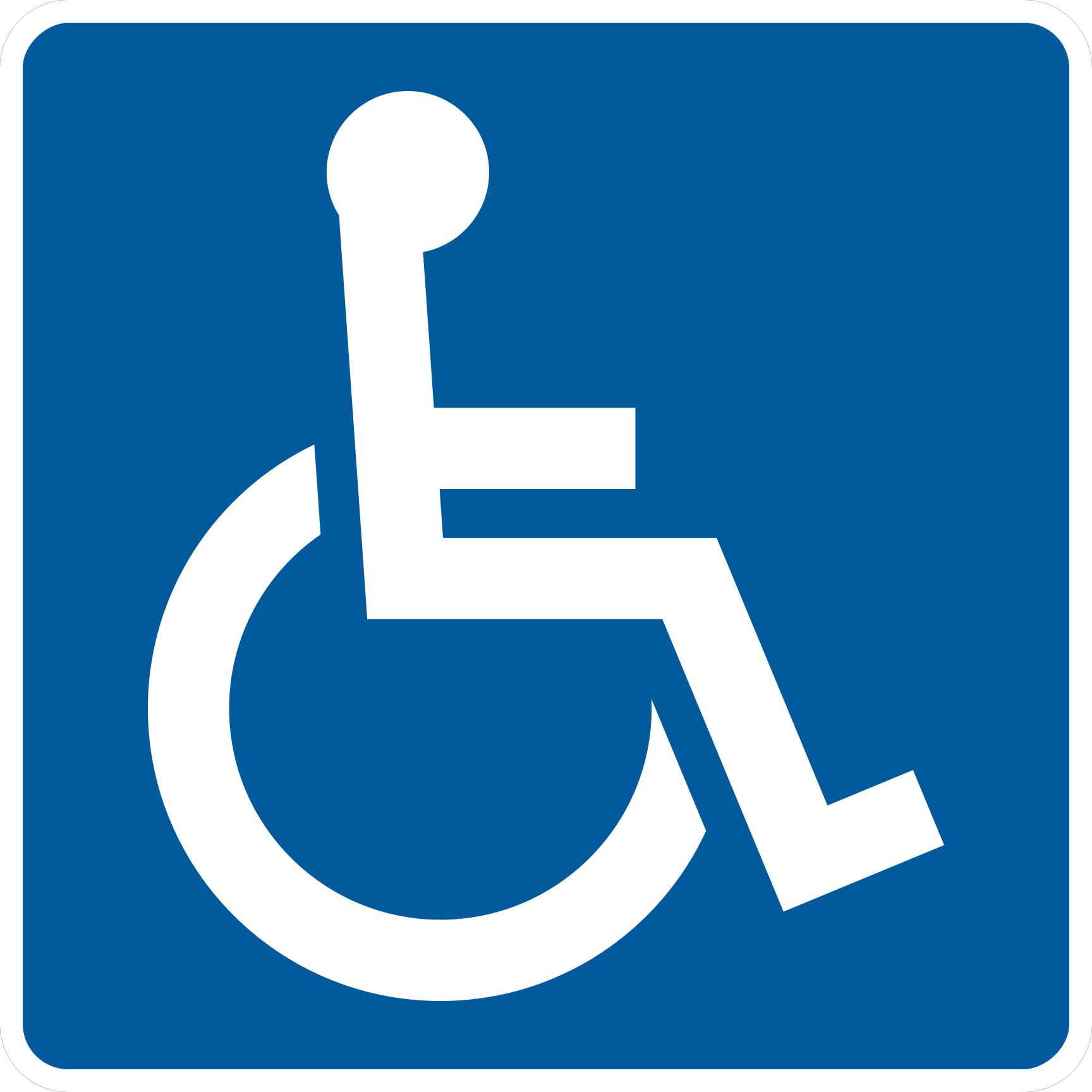
Accessible (Handicap) Parking
Reserved for vehicles displaying a valid disability placard or plate — blue background, white wheelchair symbol.
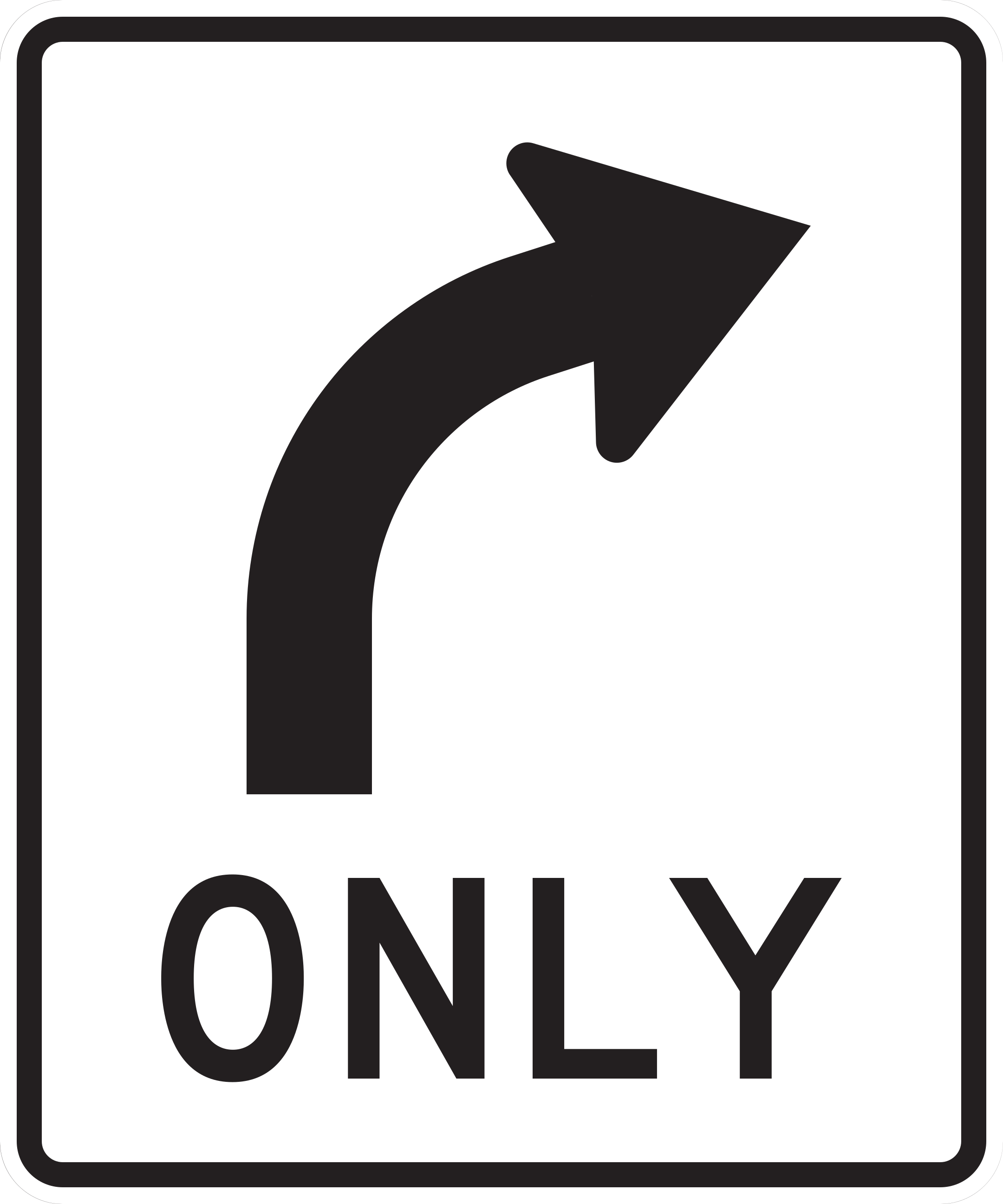
Right Turn Only
From this lane, you must turn right — going straight or turning left is not allowed.
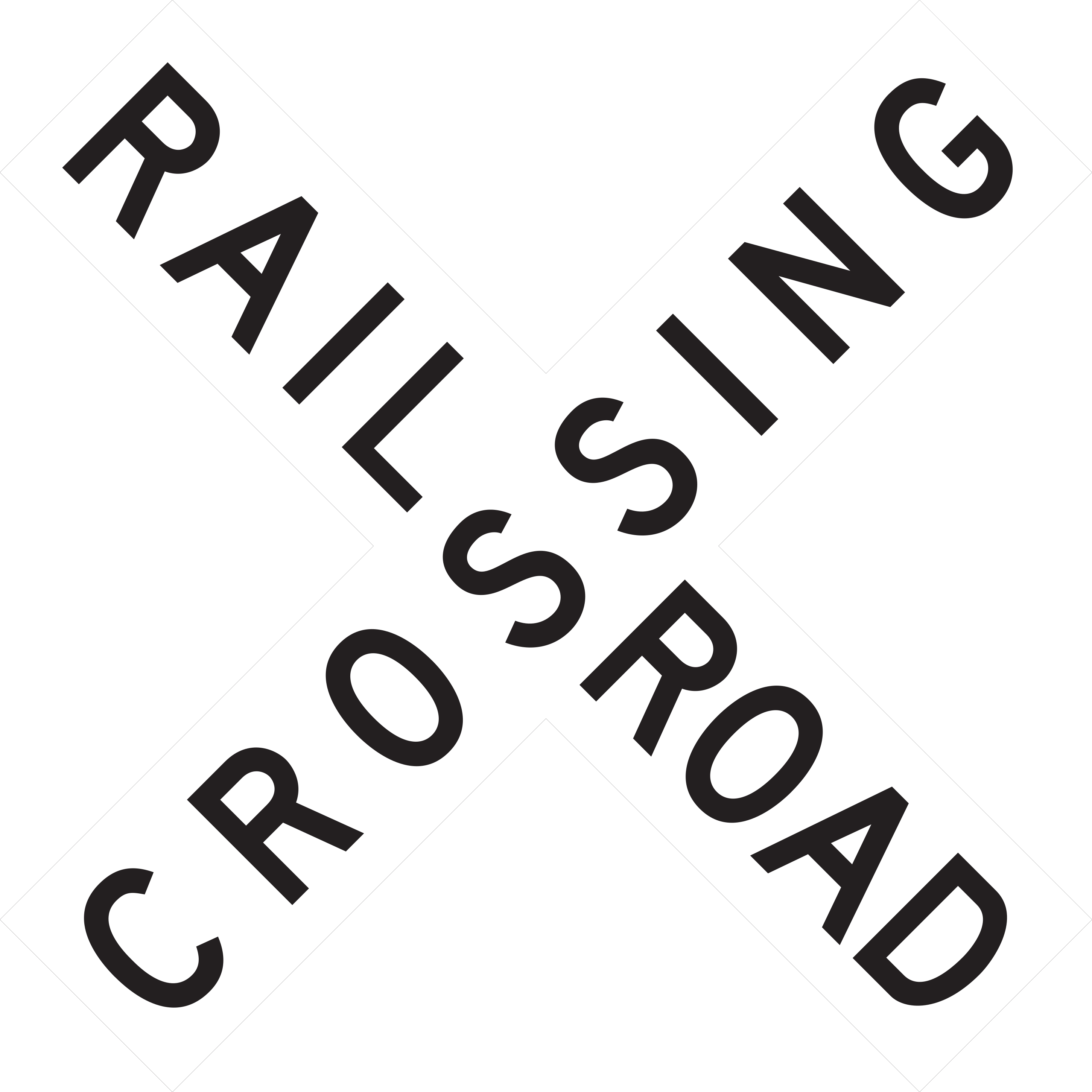
Railroad Crossbuck
Posted right at the tracks — not the same as the yellow round advance-warning sign. Treat it like a yield sign; stop if a train is coming.
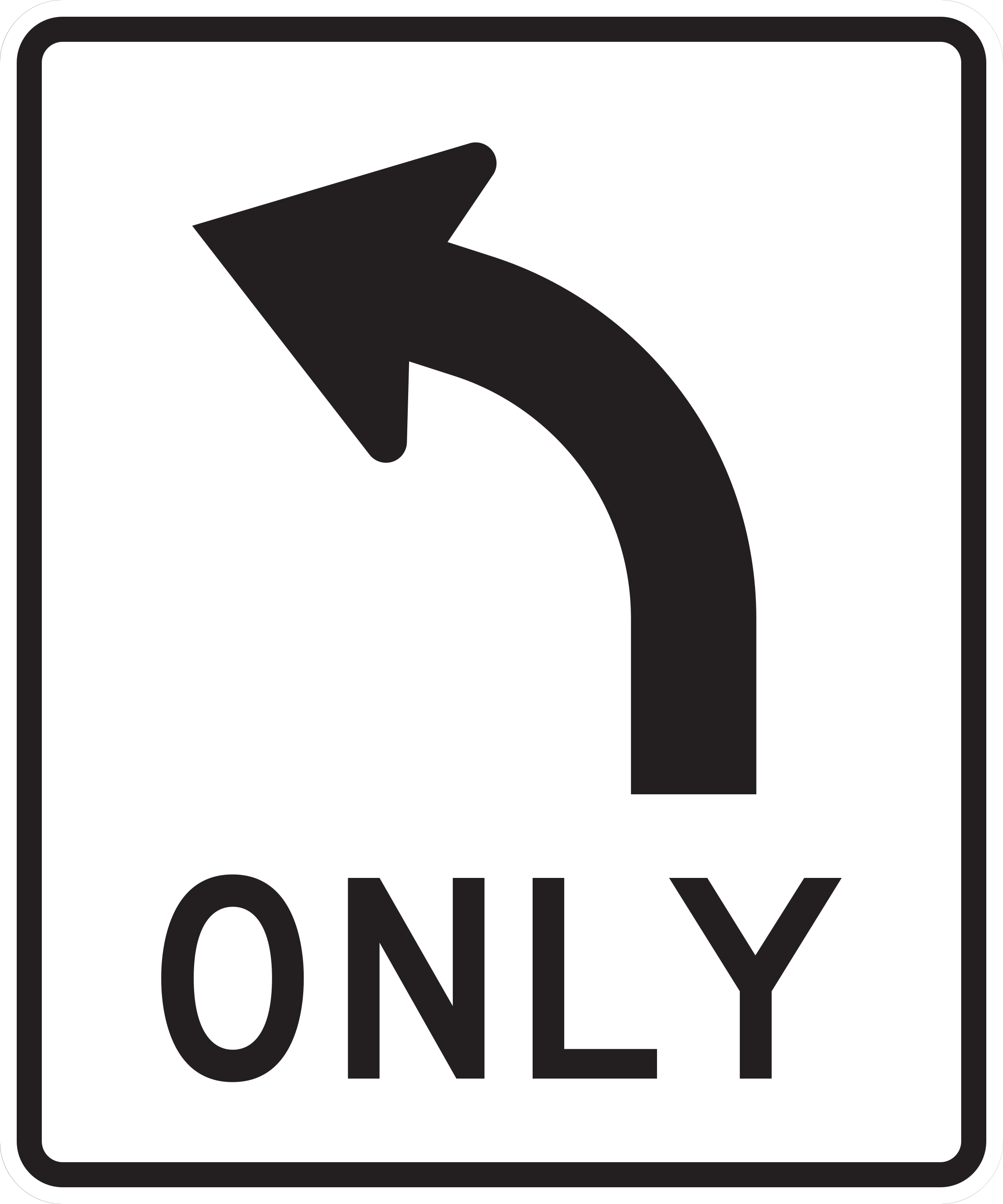
Left Lane Must Turn Left
A lane-control sign posted over or beside a lane — that lane can only go the way the arrow shows.
Warning signs you'll see on the test
Yellow diamonds (fluorescent yellow-green for pedestrians and bicycles) give advance notice of a hazard ahead.
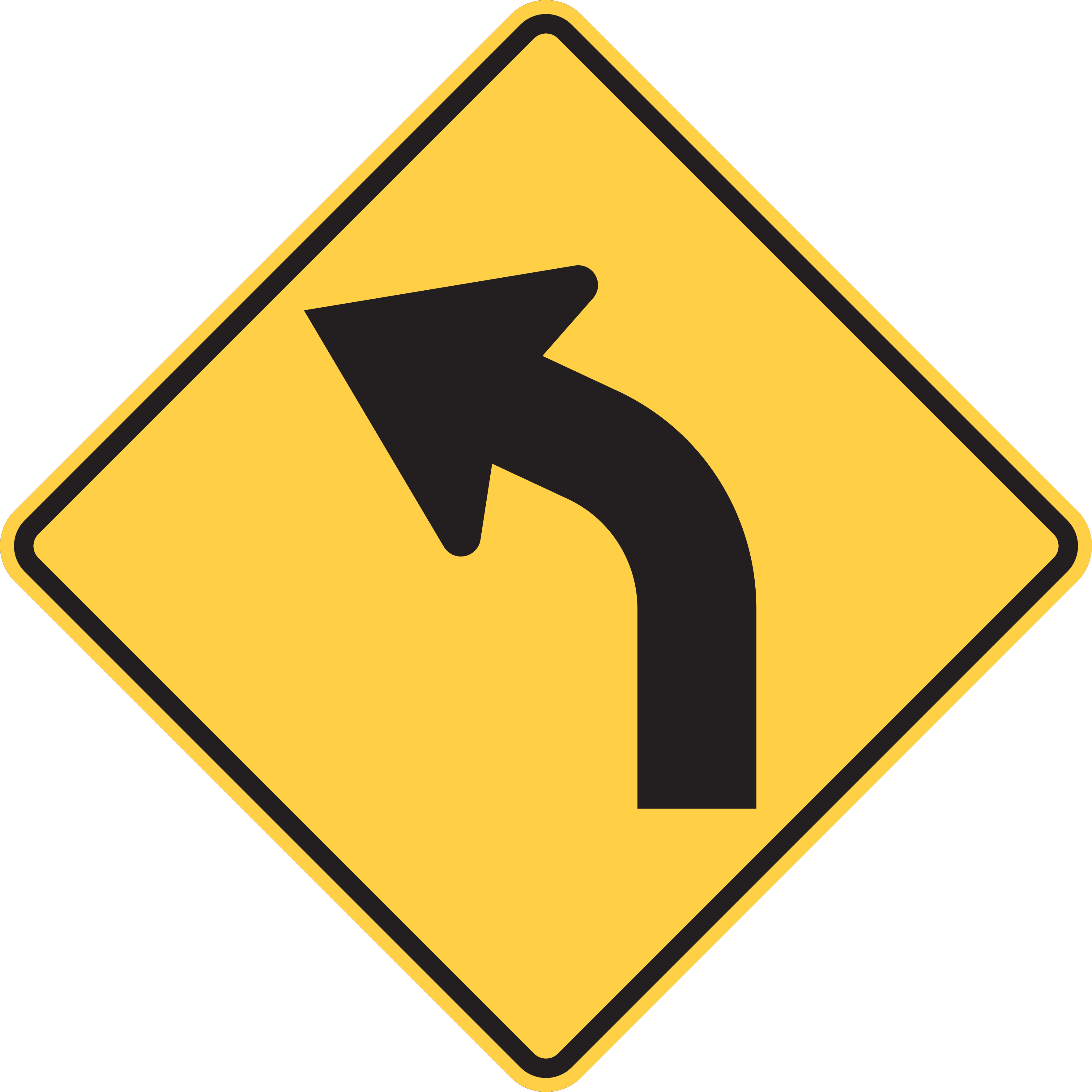
Curve Ahead
The road bends the direction the arrow curves — slow down before you enter the curve, not during it.
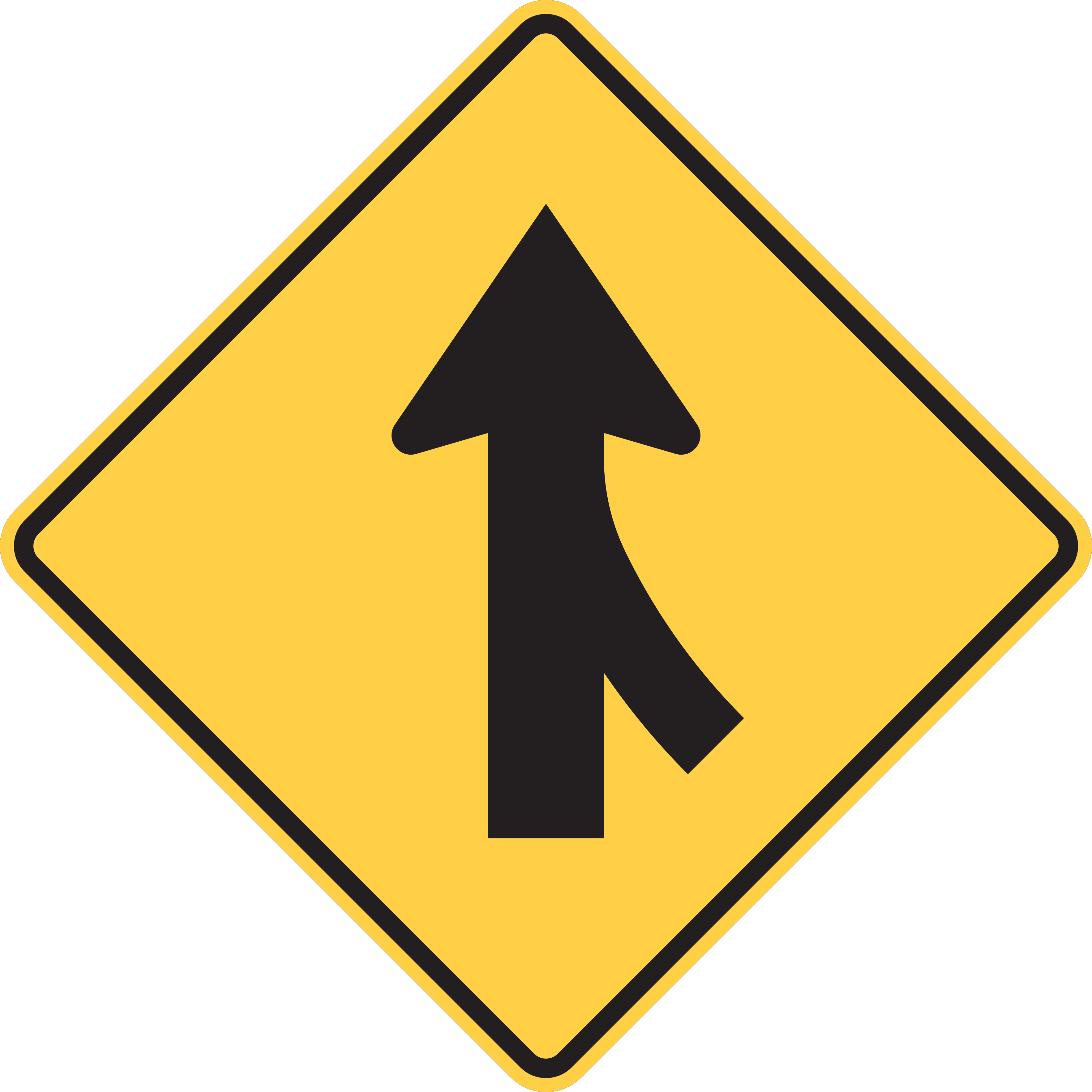
Merge
A lane from the side is joining yours — traffic already on the road has the right-of-way.
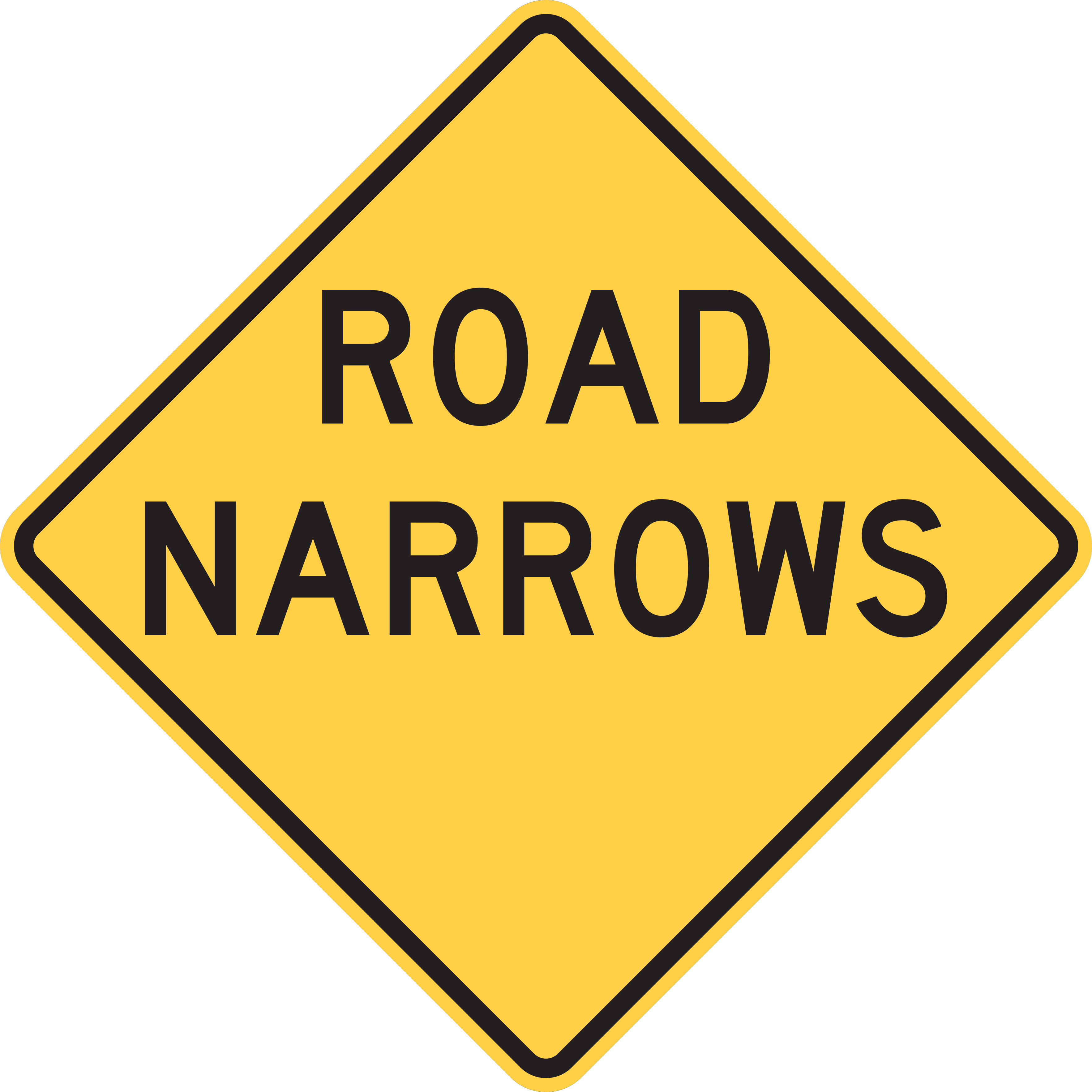
Road Narrows / Narrow Bridge
The roadway or bridge ahead is narrower than what you're on now — be ready to merge or slow down.
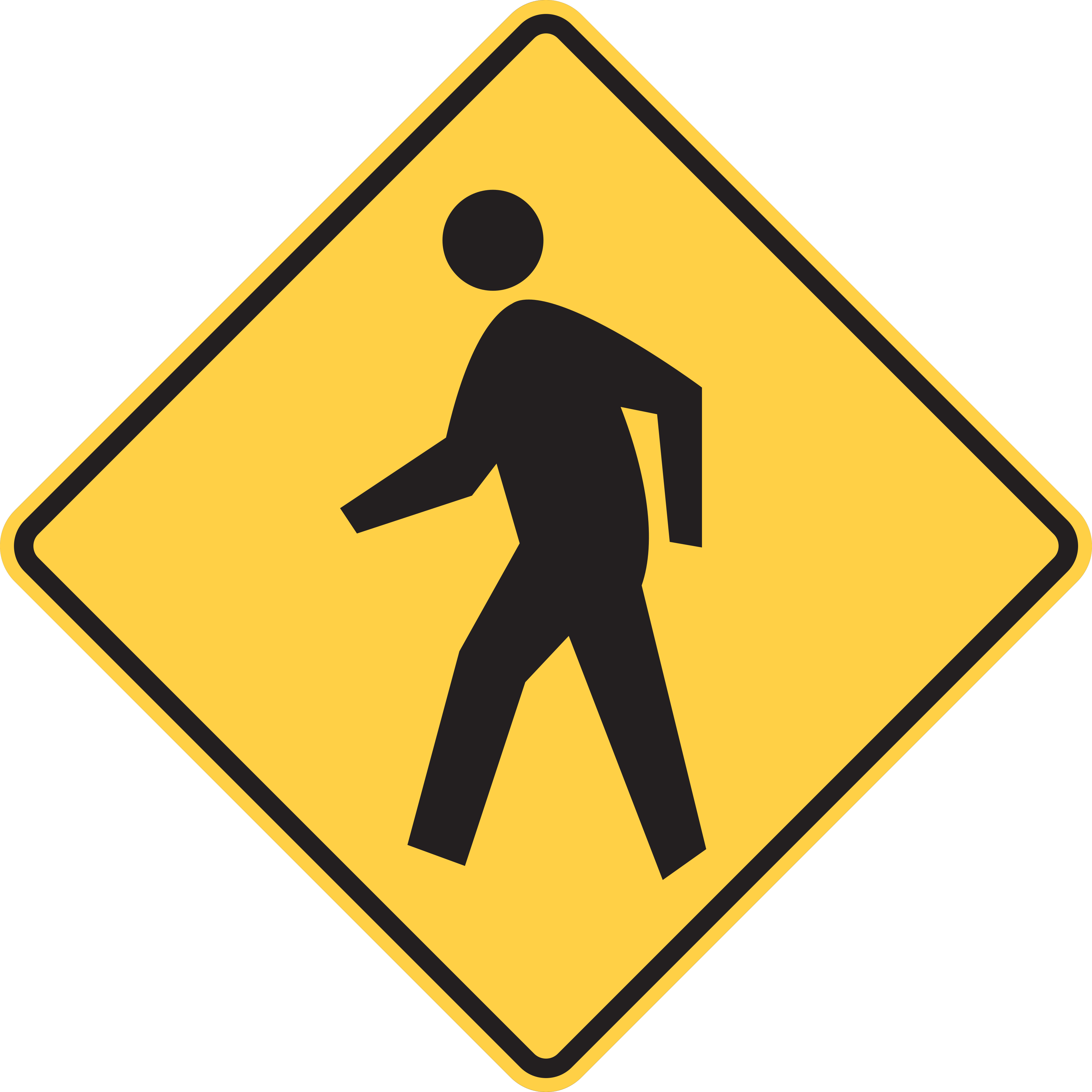
Pedestrian Crossing
A marked or expected foot-traffic crossing ahead — yield to anyone in the crosswalk.
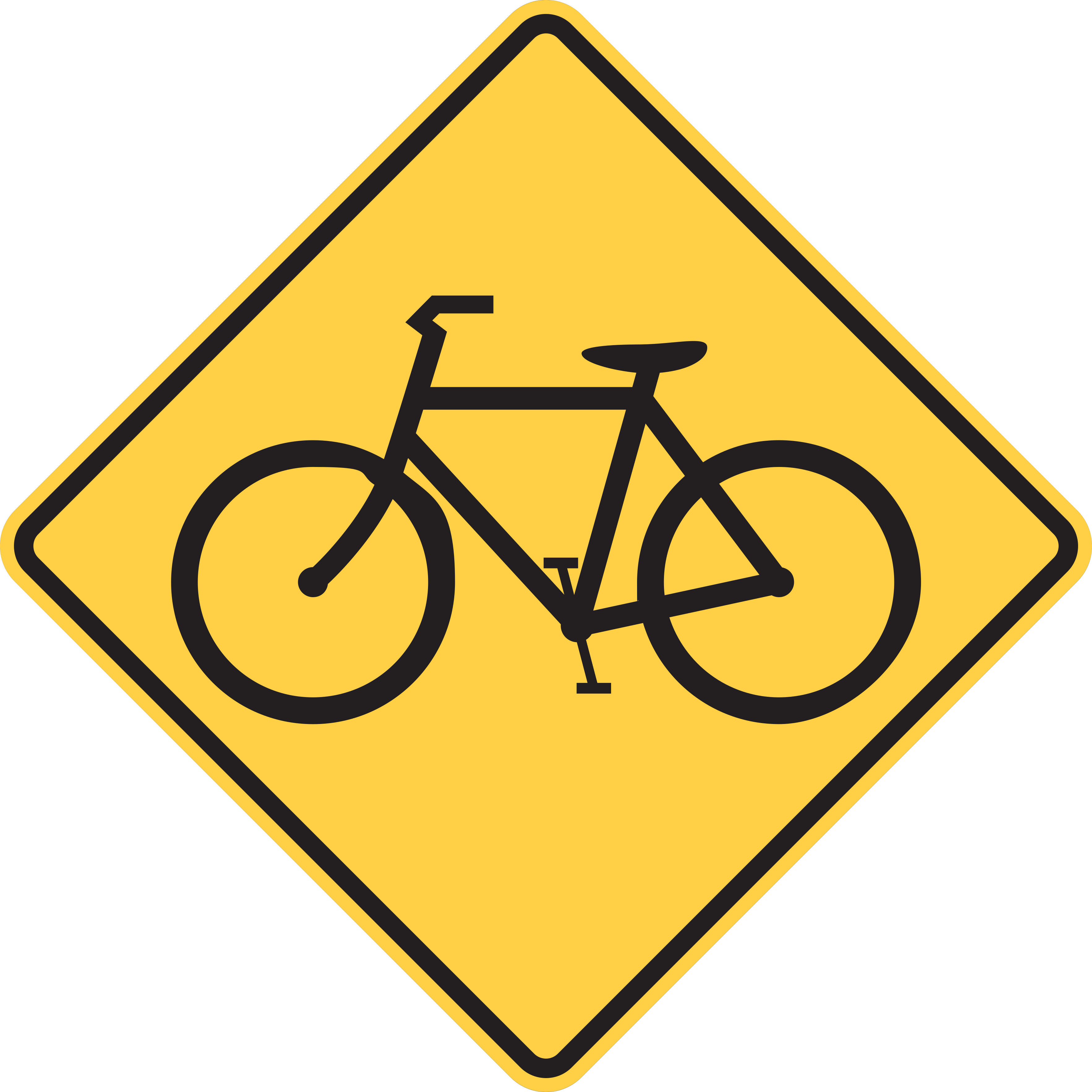
Bicycle Crossing
Watch for cyclists crossing or sharing the road ahead — common near trails, parks, and bike lanes.
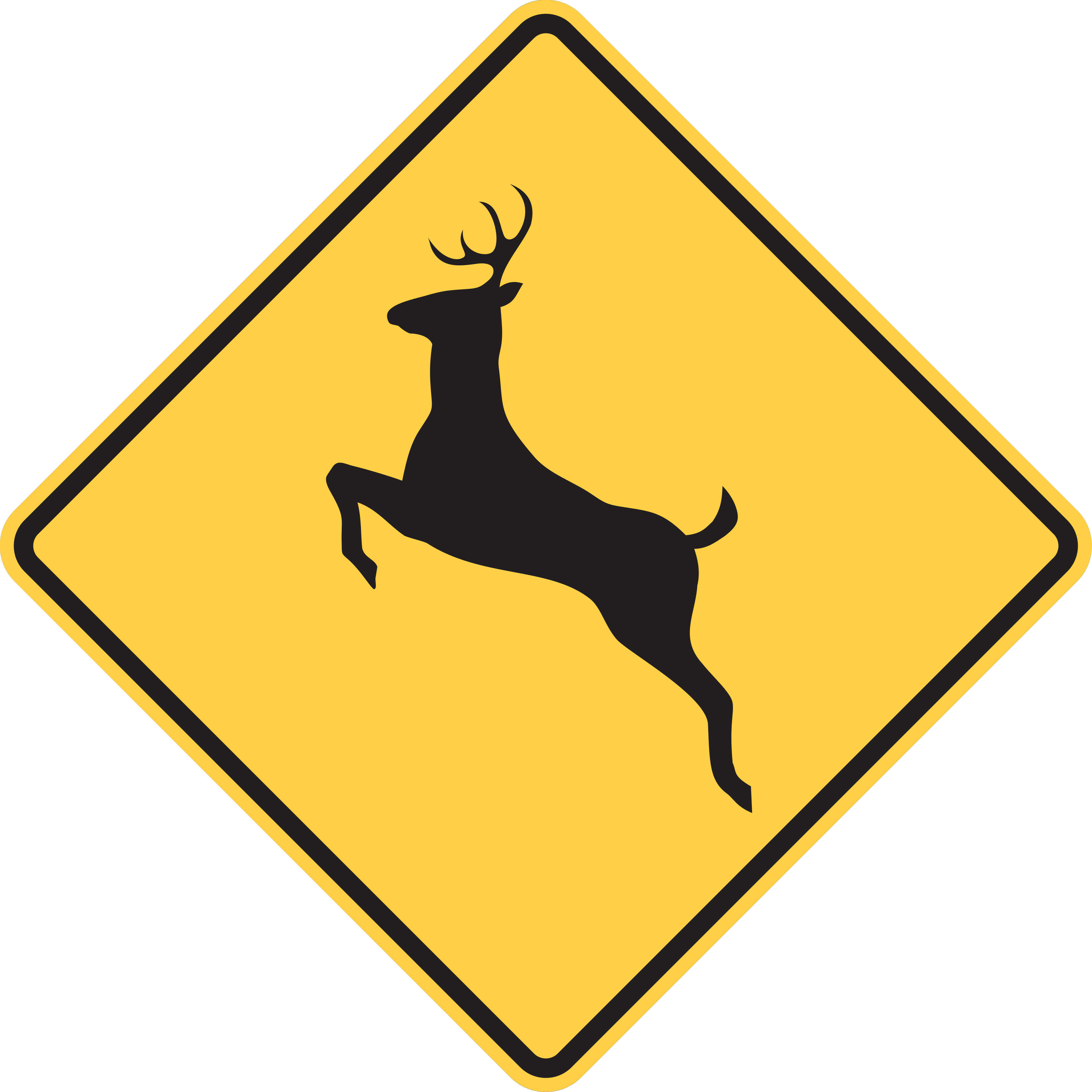
Deer / Animal Crossing
A high-risk area for animals entering the road — most common at dawn, dusk, and near wooded areas.
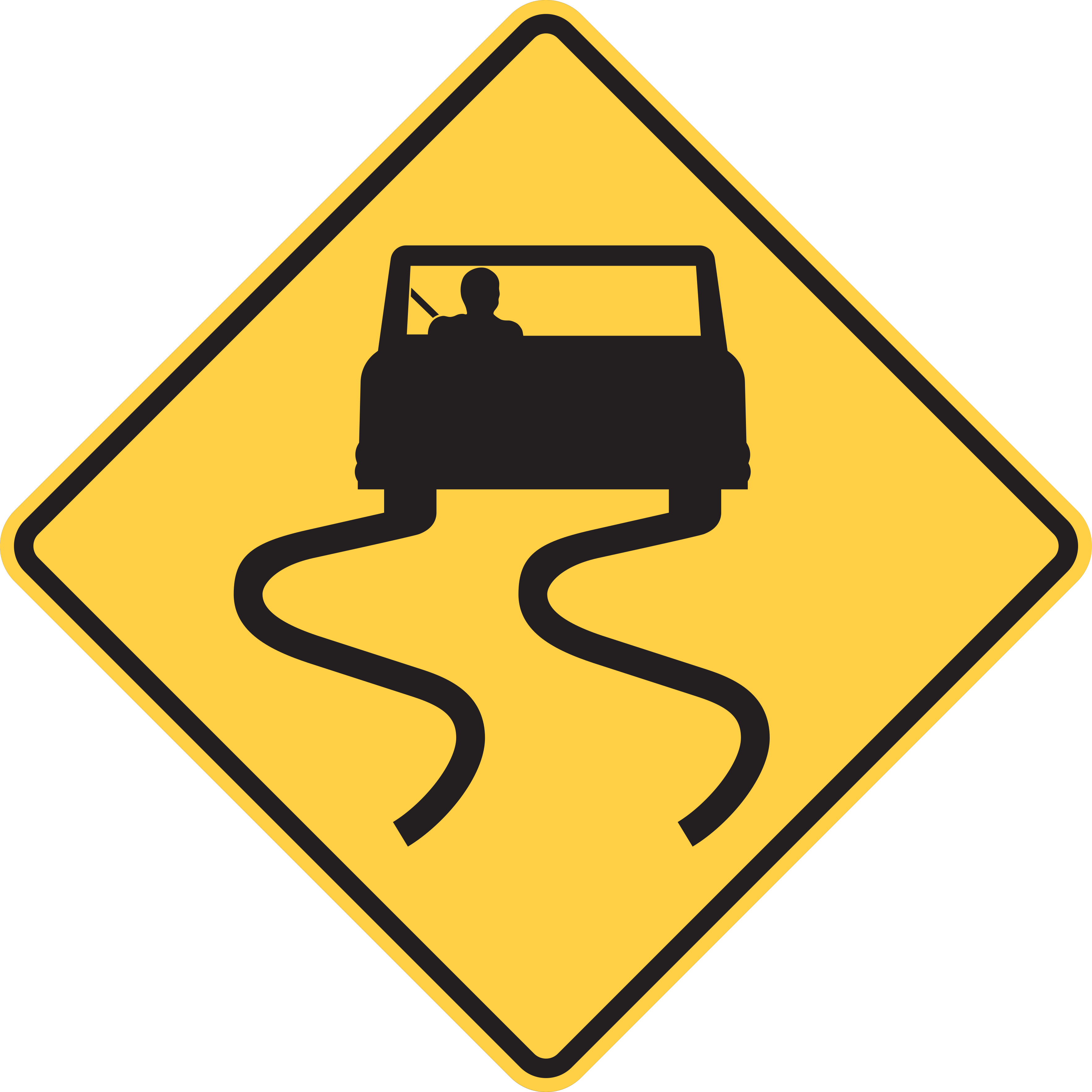
Slippery When Wet
The road surface loses traction in rain or ice — slow down and increase your following distance.
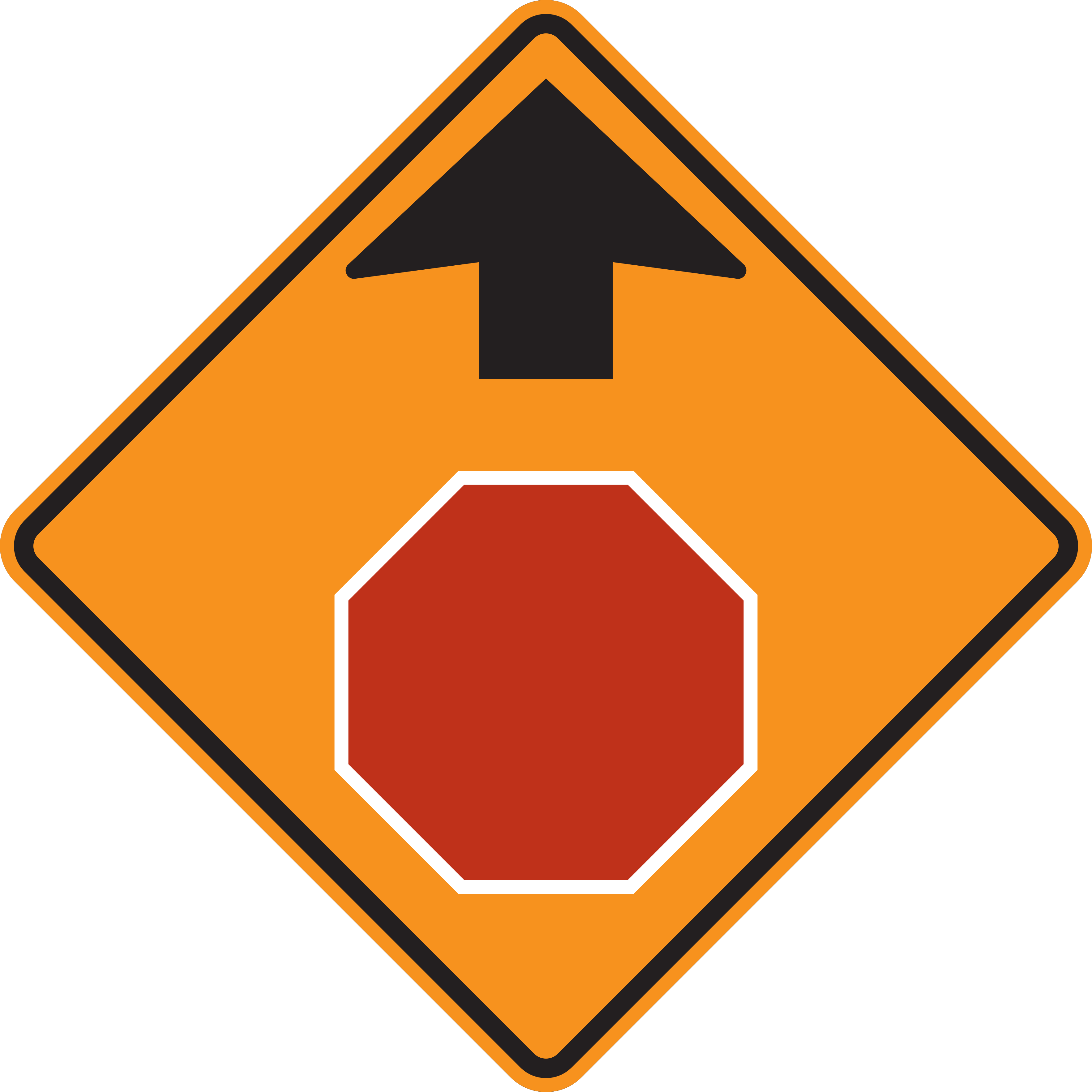
Stop Ahead
A stop sign is coming up that you might not see in time — a small red octagon inside the yellow diamond warns you early.
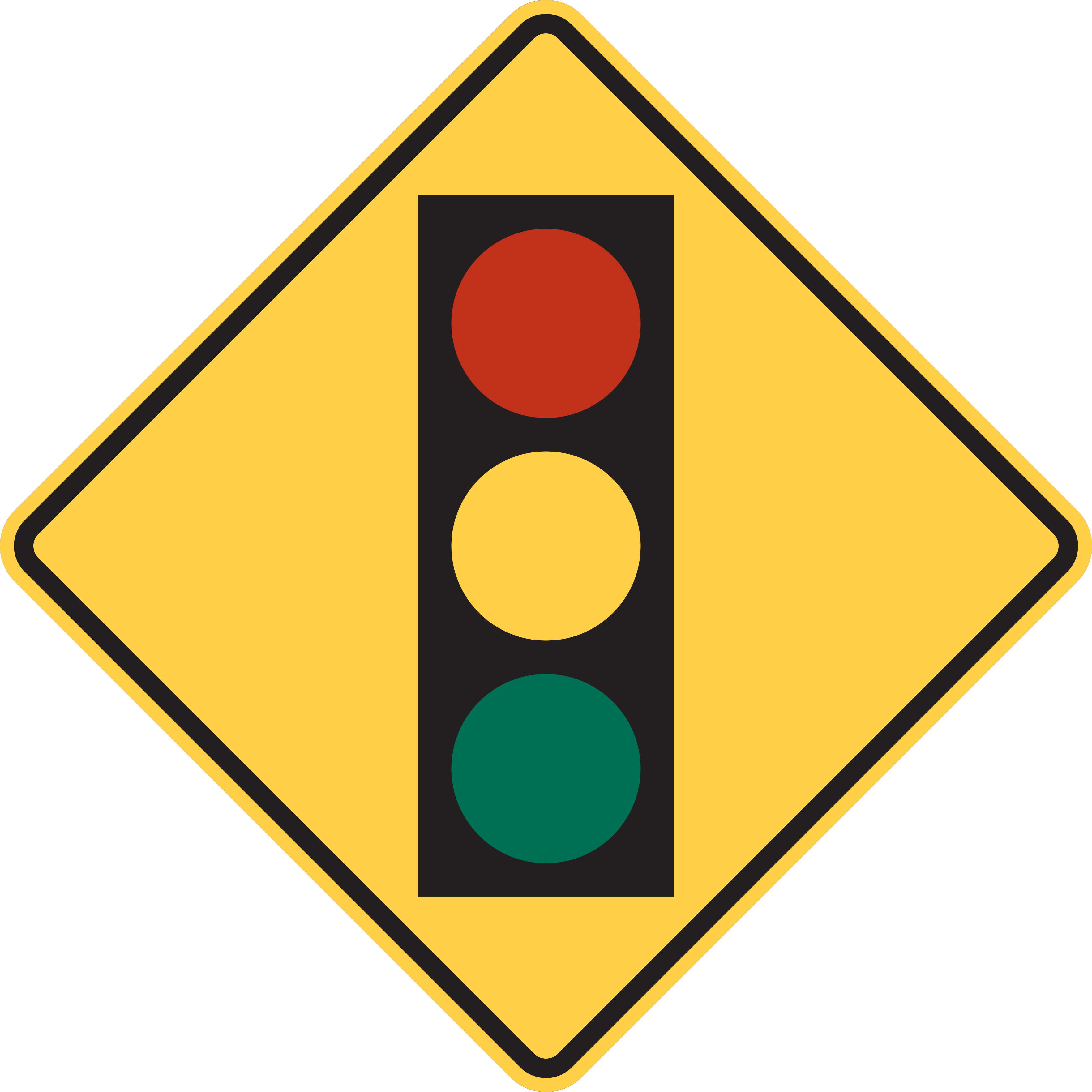
Signal Ahead
A traffic light is coming up, often around a curve or over a hill — be ready to stop.
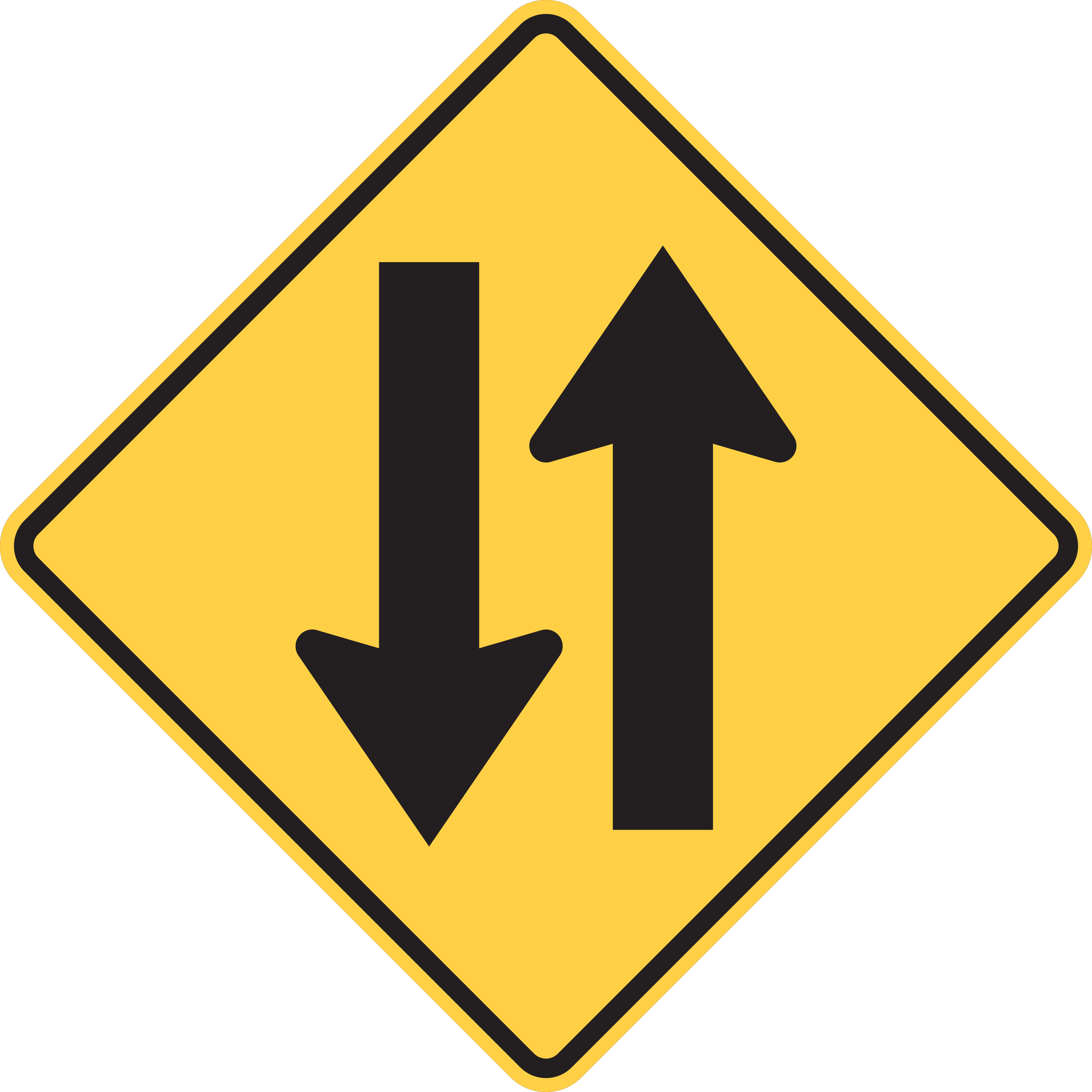
Two-Way Traffic
You're entering a section with opposing traffic in the next lane — usually right after a divided highway ends.
Guide & service signs you'll see on the test
Green for directions and mile markers, blue for services, and route shields for numbered highways.
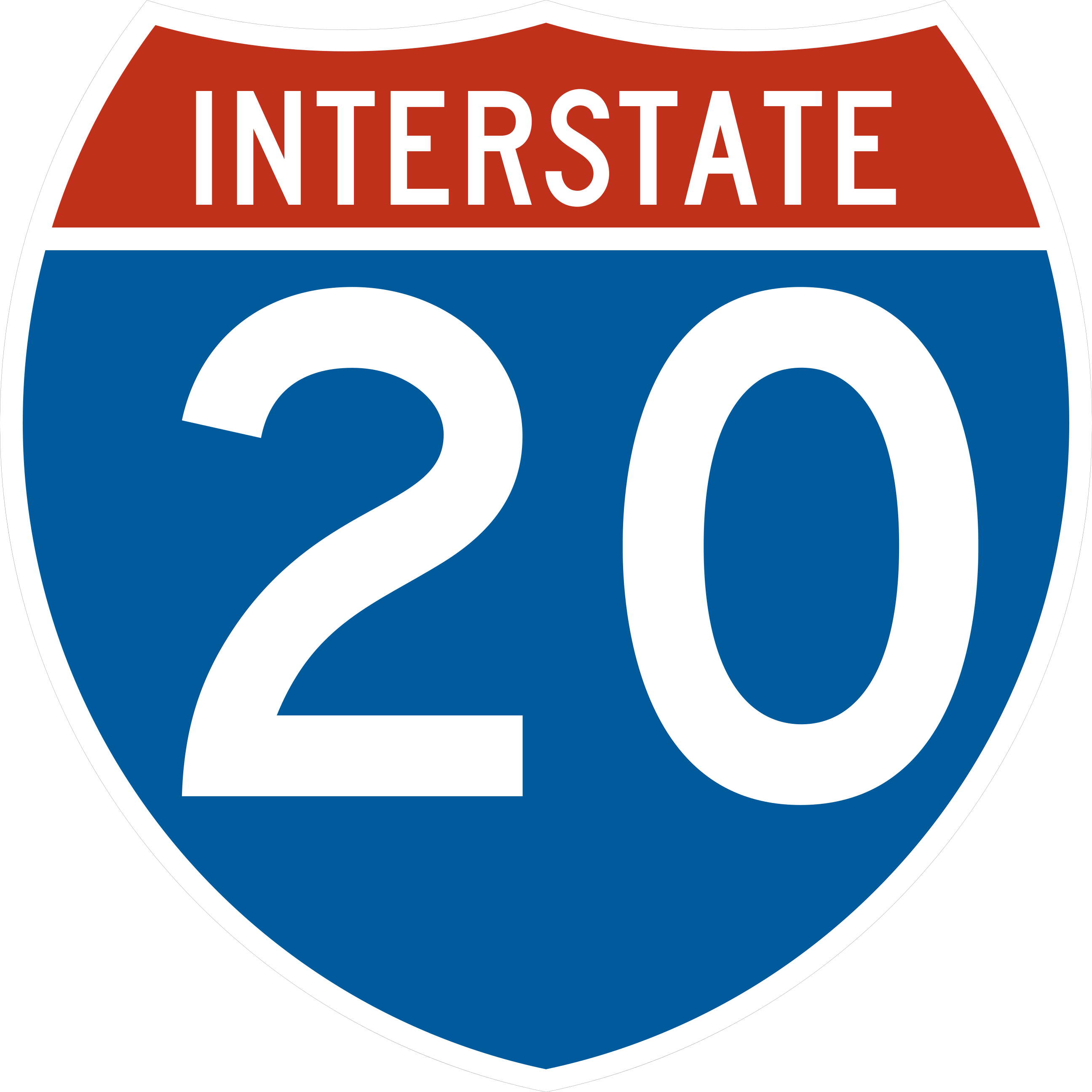
Interstate Route Shield
Blue-and-red shield marks a numbered interstate highway — the same shape and colors nationwide.
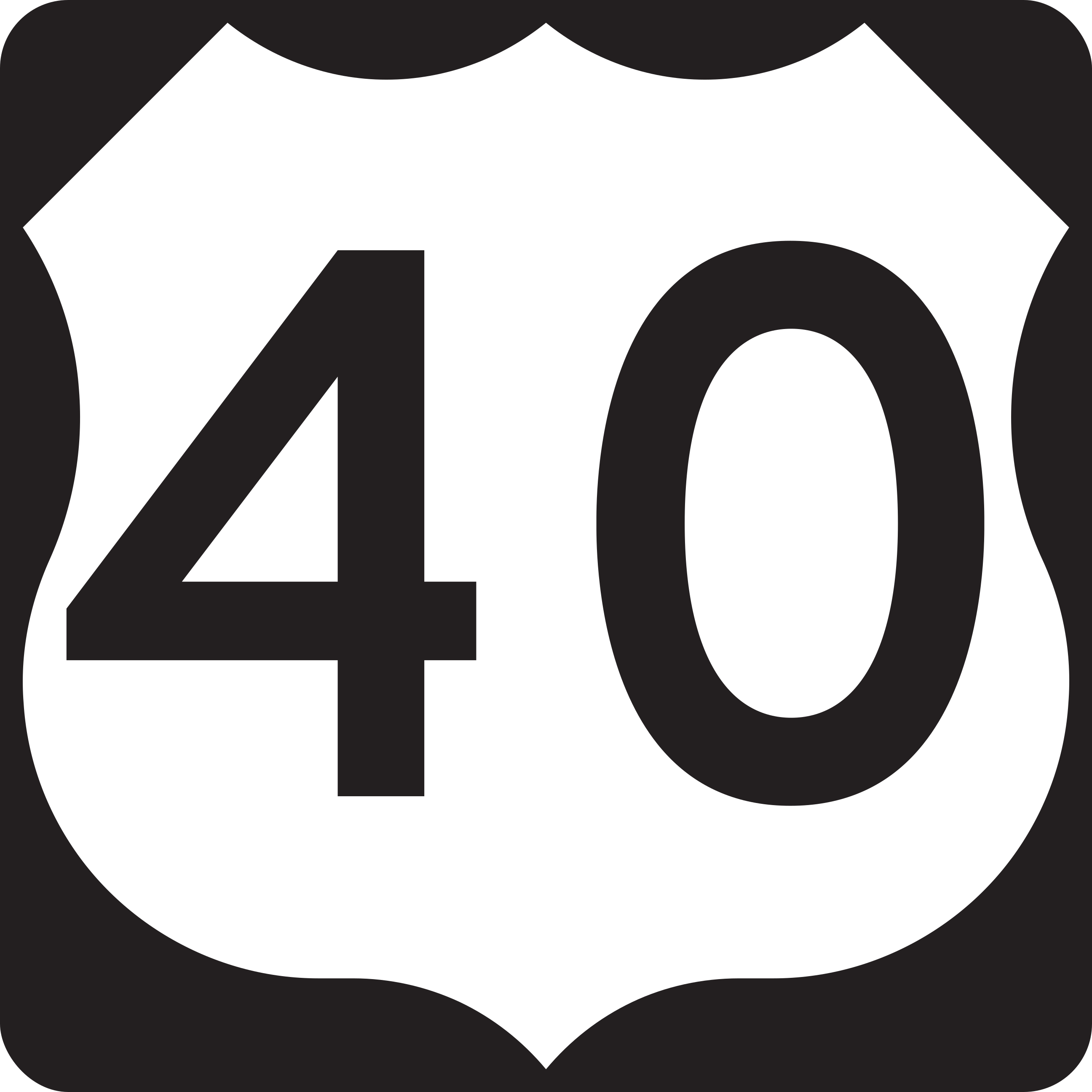
US Route Marker
A black-and-white shield marks a numbered U.S. highway, distinct from state and interstate routes.
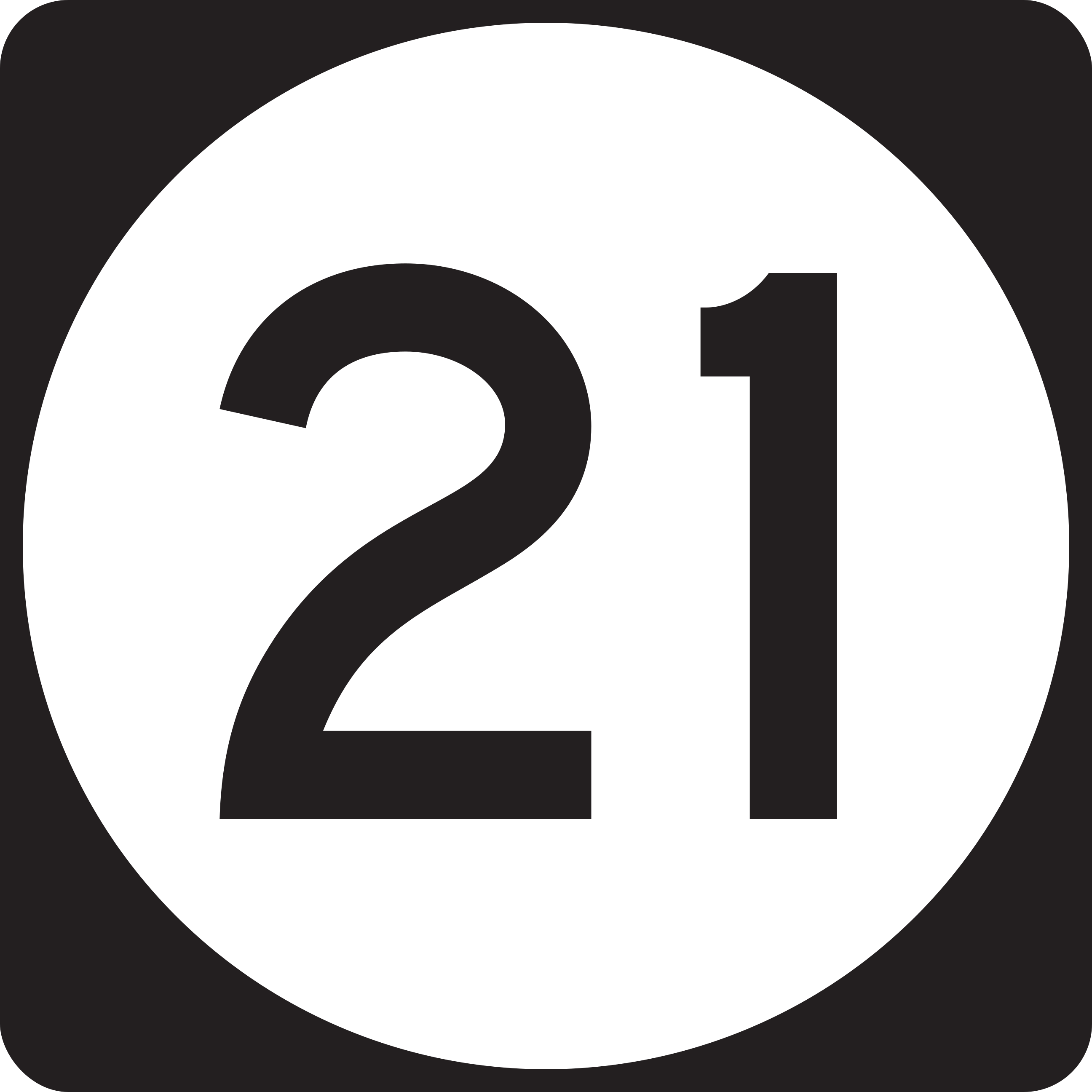
State Route Marker
Marks a state highway. Unlike interstate and US-route shields, the exact shape varies by state — this circle is just one common style.
Exit Number
Green sign showing the upcoming freeway exit's number — exits are usually numbered by mile marker.
Mile Marker
Shows your position along the highway — useful for giving your location to emergency services.
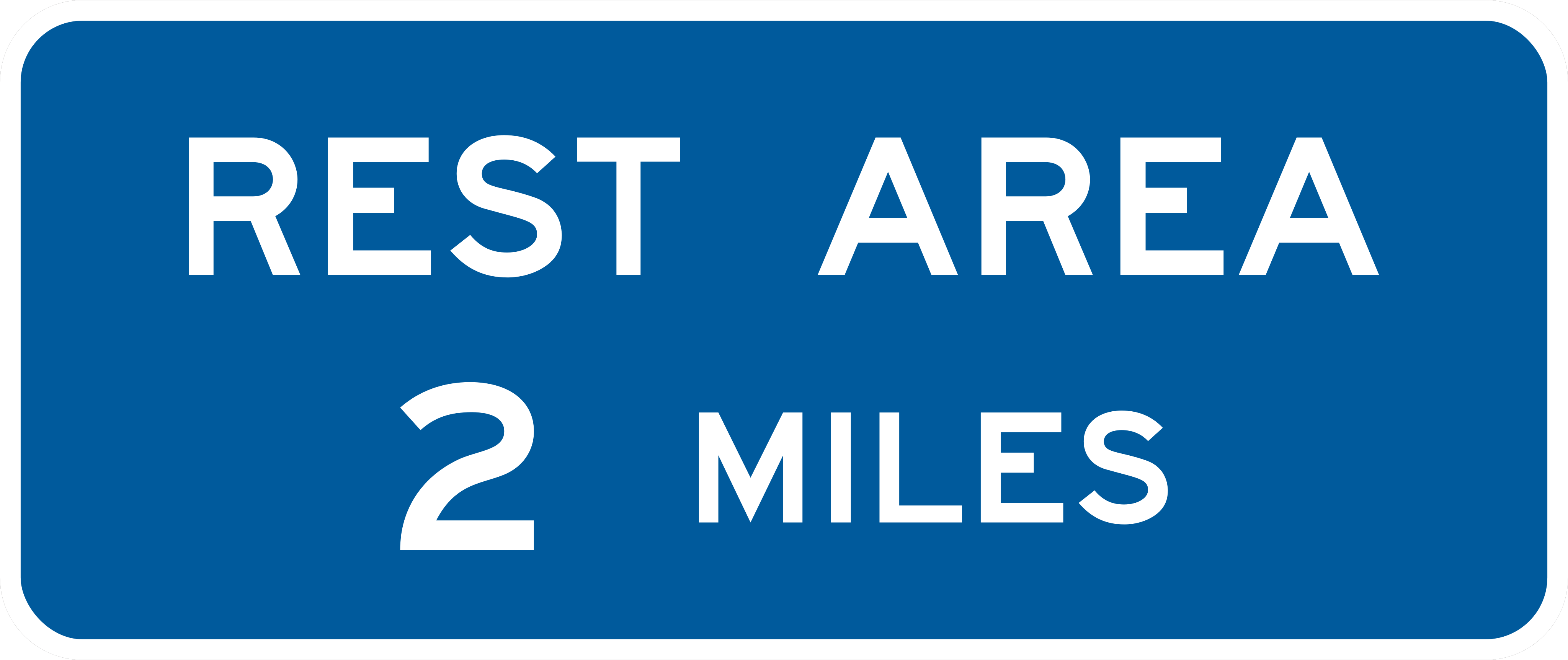
Rest Area
Blue sign pointing to a highway rest stop with parking, restrooms, and sometimes picnic areas.
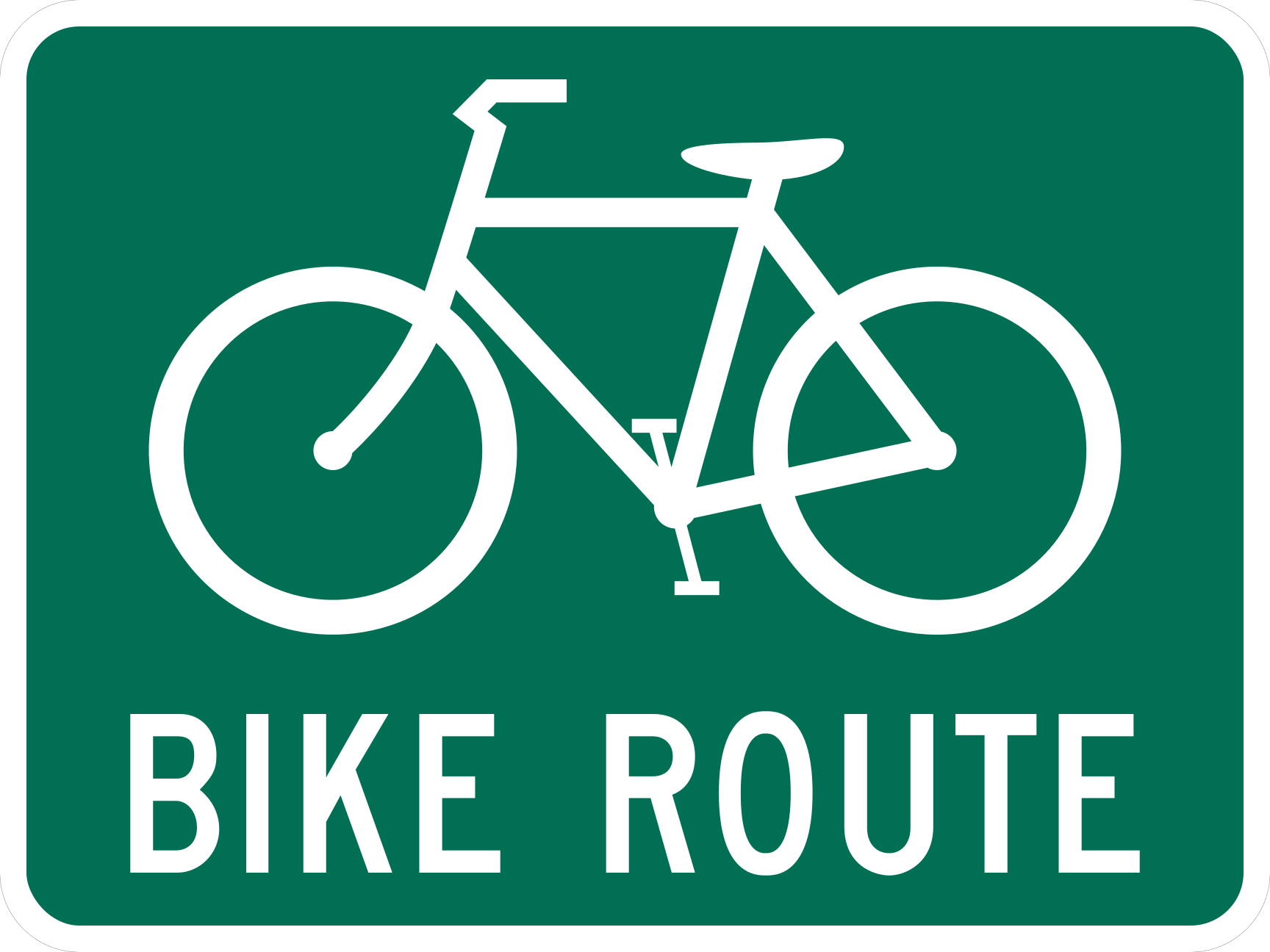
Bike Route
Marks a designated bicycle route — expect more cyclists sharing or crossing the road.
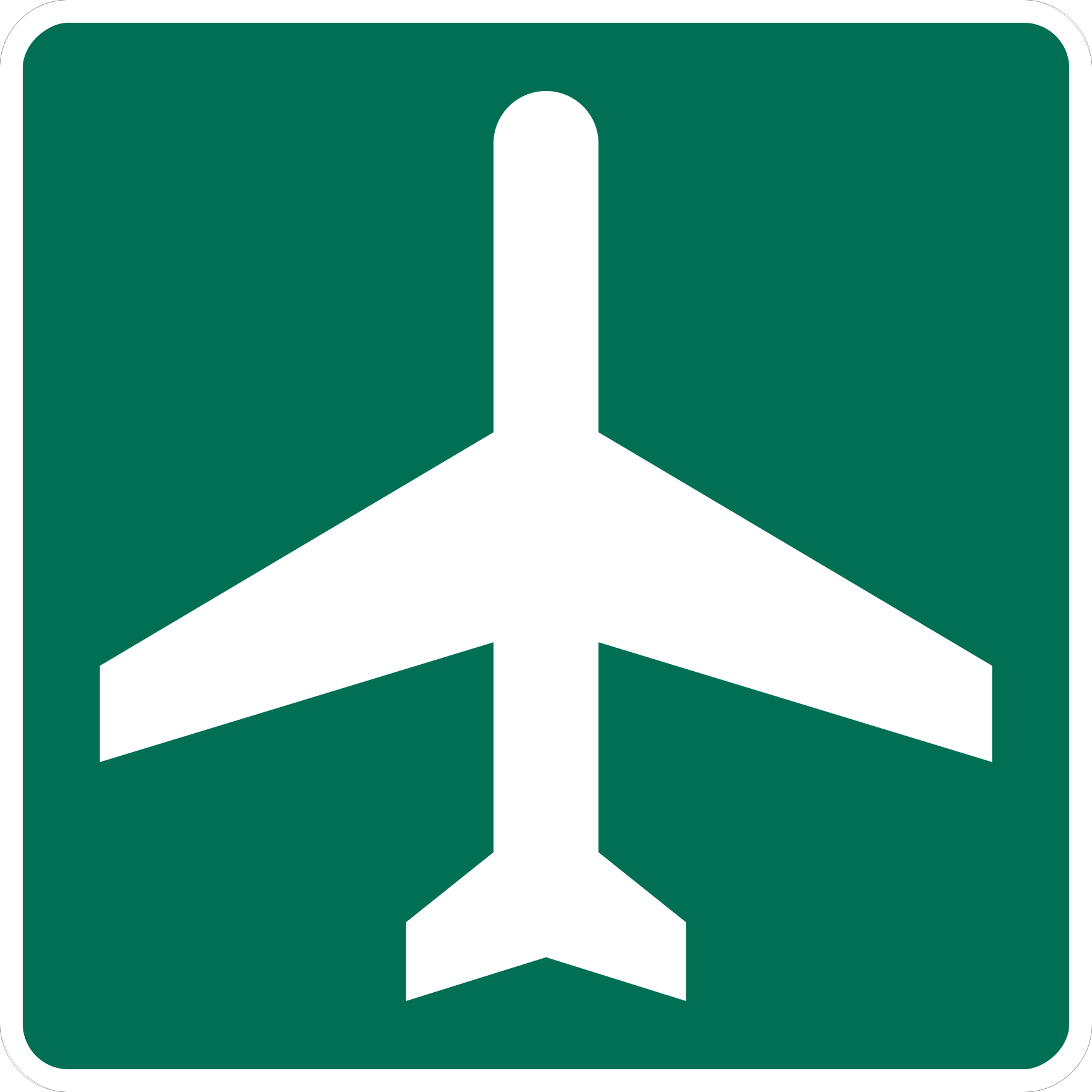
Airport
Blue guide sign pointing the way to the nearest airport.
Want more than the test essentials?
See our complete road signs glossary — 95+ signs with official FHWA sign art, from regulatory and warning signs to service signs like rest areas, EV charging, and brake-check areas. Signs are federal, so the same glossary covers every state.
Five questions pulled from our road-signs question bank. Answer to see the correct choice + explanation. For a full timed exam, take the free practice test.